how does a laser cutter work
How Does a Laser Cutter Work? A Quick, Practical Guide
Laser cutting is one of the most precise manufacturing methods available today — used everywhere from metal nameplates and signage to automotive parts and jewelry. But how does a laser cutter work? In simple terms: a highly focused beam of light melts, burns, or vaporizes material along a software-controlled path.
This guide explains the process step by step, the different laser types, and the key factors that determine cut quality.
What Is a Laser Cutter?
A laser cutter is a CNC machine that uses a high-power laser beam to cut or engrave materials. A computer reads your digital design and moves the laser head with extreme precision — often down to ±0.01 mm.
Its main parts include:
- Laser source — generates the beam
- Focusing lens — concentrates the energy to a tiny spot
- Motion system — moves the head along X/Y axes
- Controller & software — drives the cut path
- Assist gas & exhaust — removes molten material and fumes
How Does a Laser Cutter Work? (4 Steps)
1. The Beam Is Generated
A CO₂, fiber, or diode source produces a coherent beam of light. It starts wide and low in intensity.
2. The Beam Is Focused
The beam passes through a focusing lens, concentrating all its energy into a spot of just 0.1–0.3 mm. At this point, power density becomes enormous.
3. The Material Is Melted or Vaporized
The focused beam heats the workpiece past its melting or vaporization point. Assist gas (nitrogen, oxygen, or air) blows the molten material away, creating a clean edge.
4. The Head Follows the Design Path
The controller reads your file (DXF, AI, SVG) and moves the head at speeds up to 100 m/min, producing precise, repeatable cuts — ideal for batch production.
Types of Laser Cutters
| Type | Best For | Common Materials |
|---|---|---|
| CO₂ laser | Non-metals | Acrylic, wood, leather, paper |
| Fiber laser | Metals | Stainless steel, aluminum, brass, copper |
| Diode laser | Thin/hobby work | Plywood, thin acrylic |
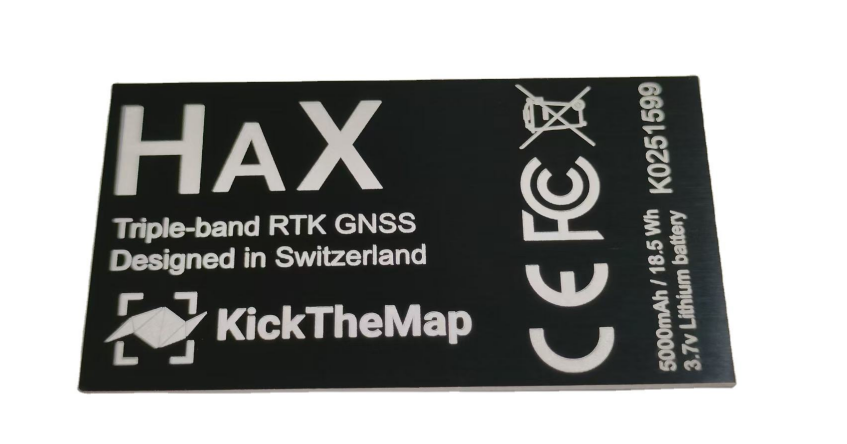
For metal nameplates, badges, and labels, a fiber laser is usually the best choice because it handles reflective metals like brass and copper efficiently.
Key Parameters That Affect Cut Quality
- Power — higher power cuts thicker material faster
- Speed — too fast leaves incomplete cuts; too slow causes charring
- Frequency — critical for metal edge quality
- Focus position — lens-to-material distance
Tip: Use nitrogen for a bright, oxidation-free edge on stainless steel; use oxygen on mild steel for faster cutting.
Advantages & Limitations
Advantages:
- Extreme precision and repeatability
- No tool wear (the tool is light)
- Minimal material waste
- Fast prototyping — no molds or dies
- Clean, burr-free edges
Limitations:
- High initial investment
- Thickness limit (typically ≤ 20–25 mm for steel)
- Not suitable for PVC or some reflective metals on CO₂ machines
Common Applications
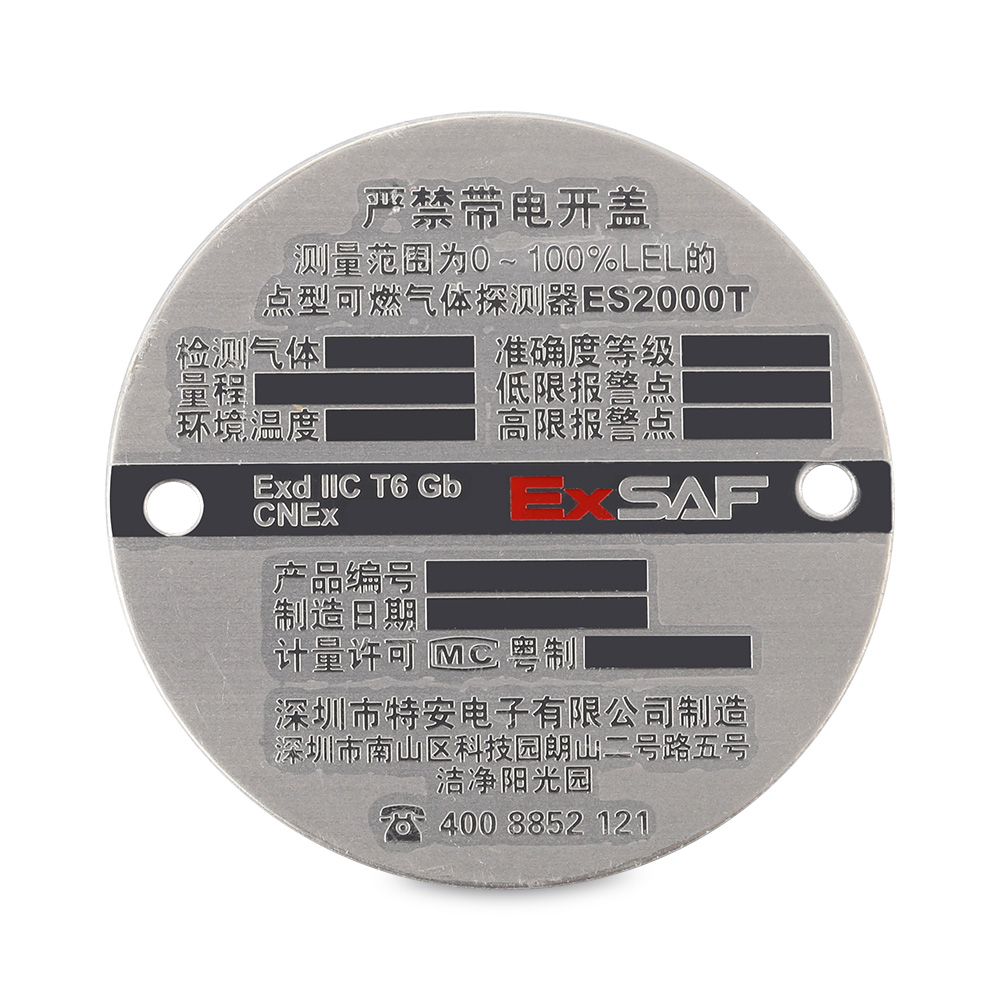
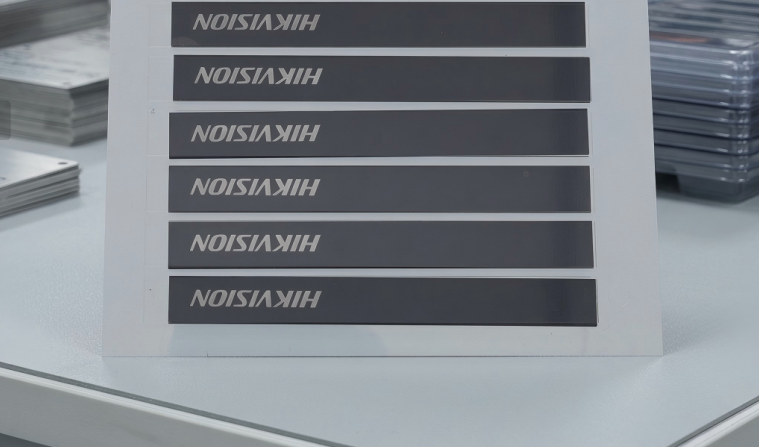
- Metal nameplates and badges — cutting and engraving stainless steel, brass, aluminum
- Signage and channel letters — acrylic and metal
- Automotive parts — brackets, trims, emblems
- Electronics, jewelry, and architecture — fine, complex details
Conclusion
So, how does a laser cutter work? A focused beam of intense light melts or vaporizes material along a computer-controlled path, delivering fast, accurate, and repeatable cuts with minimal waste.
Whether you need laser-cut metal nameplates, badges, or custom labels, a factory with modern fiber laser equipment can provide tight tolerances, fast turnaround, and consistent quality — from single prototypes to full production runs.
Contact Person: Ryan
WhatsApp: +86 13513612819
Email: sales1@szhaixinda.com
Website: https://www.hxindanameplate.com/
Address: 2nd Floor, Building A, Baokezhen Industrial Park,
No.22 Jiaoping Avenue, Tangxia Town,
Dongguan City, Guangdong Province, P.R.China
how to print metallic labels
how to remove 3m adhesive
Related Article