how to remove 3m adhesive

How to Remove 3M Adhesive: Safe Step-by-Step Guide for Any Surface
If you have peeled off 3M tape, 3M VHB tape, stickers or mounting pads, sticky 3M adhesive residue often stays behind. Many people struggle with how to remove 3M adhesive without scratching paint, peeling drywall or ruining plastic finishes.
3M adhesives are designed for strong bonding, so simply scraping will usually damage your surface. This complete guide covers simple household methods and professional solutions to remove 3M adhesive safely, plus surface-specific tips to avoid costly mistakes.
Pre-Removal Safety Rules Before You Remove 3M Adhesive
Before you start to remove 3M adhesive, follow these basic safety checks to prevent surface damage or skin irritation.
Always Do a Spot Test First
No matter which method you choose, test the cleaner or solvent on a hidden small area of your surface. Wait 5–10 minutes and check for discoloration, fading or softening coating before cleaning the full adhesive spot.
General Safety Guidelines
- Work in a well-ventilated room when using chemical solvents.
- Wear disposable gloves to protect skin from strong adhesive removers.
- Prefer plastic scrapers over metal blades; metal easily scratches glass, paint and plastic.
- Apply gentle pressure. Rushing and hard scraping is the top reason for damaged surfaces when people try to remove 3M adhesive.
4 Common Methods to Remove 3M Adhesive
These methods are ordered from mild household solutions to stronger chemical options, so you can start gentle before moving to heavy-duty treatments for stubborn 3M adhesive residue.
Method 1: Heat (Hair Dryer) – Best for Delicate Surfaces
Heat softens 3M adhesive and weakens its bond. This is the gentlest first method to try.
- Set hair dryer to medium heat. Hold it 2–4 inches above the 3M adhesive residue.
- Heat the area for 30–60 seconds. Do not overheat plastic or thin paint.
- Once adhesive turns soft and tacky, slowly peel or scrape with a plastic scraper.
- Wipe leftover thin residue with a microfiber cloth.
When to use heat to remove 3M adhesive
Heat works great for painted walls, car paint, vinyl and thin plastic. Avoid high heat on cheap plastic that can warp.
Method 2: Isopropyl Alcohol / Rubbing Alcohol
Isopropyl alcohol (70% or higher) cuts through most light and medium 3M adhesive residue, and it is safe for many hard surfaces.
- Dampen a microfiber cloth with rubbing alcohol.
- Lay the wet cloth over the adhesive and let it soak for 2–3 minutes.
- Rub in circular motions to lift the 3M adhesive residue.
- Wipe clean with fresh cloth and dry the surface.
Surface notes for rubbing alcohol
Safe for glass, metal, ceramic, most automotive paint. Avoid alcohol on matte paint, some rubber and unsealed wood, which may dry out or stain.
Method 3: Household Oil (Cooking Oil, Olive Oil)
Oil breaks down the sticky polymer in 3M adhesive. Perfect for small, light residue and kid-safe projects.
- Apply oil directly on the adhesive. Let sit for 5–10 minutes.
- Rub the softened glue with cloth or plastic scraper.
- Wash the surface with soap and warm water to remove oily film after you remove 3M adhesive.
Limitations of oil method
Oil leaves a greasy layer. Not ideal for porous surfaces like raw wood or wallpaper.
Method 4: Commercial 3M Adhesive Remover (Heavy-Duty Stubborn Residue)
For thick 3M VHB tape or old, hardened 3M adhesive, use citrus-based adhesive remover or official 3M adhesive remover.
- Apply remover on the residue, do not flood the surface.
- Wait 3–5 minutes to let the formula penetrate the 3M adhesive.
- Gently scrape softened glue with plastic scraper.
- Wipe the area and clean with soapy water to eliminate leftover chemicals.
Important warning for solvent removers
Citrus and solvent removers are powerful. Always do spot testing, avoid long contact with plastics and painted surfaces.
How to Remove 3M Adhesive From Specific Surfaces
Different materials react differently to heat and solvents. Use this quick reference when you need to remove 3M adhesive on common household and automotive surfaces.
Remove 3M Adhesive from Painted Walls
Painted drywall is very easy to damage. Start with low heat from a hair dryer. Peel slowly. Use tiny amounts of rubbing alcohol only if heat alone fails. Never use acetone or heavy scrapers; they will peel wall paint and drywall paper.
Remove 3M Adhesive from Car Paint
Use heat or citrus adhesive remover formulated for auto surfaces. Avoid acetone. Use soft microfiber cloth and plastic scraper. Do not apply strong chemicals for long contact with clear coat.
Remove 3M Adhesive from Glass and Ceramic
Glass is durable. Heat, rubbing alcohol, plastic razor blade are all safe here. You can scrape firmly without worrying about scratches as long as you use plastic tools.
Remove 3M Adhesive from Plastic
Plastic is heat-sensitive and can crack or melt. Use low heat only, olive oil or small amount of isopropyl alcohol. Stay away from acetone, it melts many plastic types.
Remove 3M Adhesive from Metal and Stainless Steel
Metal tolerates all methods. Heat, alcohol or commercial adhesive remover all work well for 3M adhesive on metal.

Frequently Asked Questions About How to Remove 3M Adhesive
Can acetone remove 3M adhesive?
Yes, acetone can dissolve 3M adhesive quickly. But acetone is harsh. It damages plastic, many painted coatings and vinyl. Only use acetone on glass or bare metal after a spot test.
How to remove old hardened 3M VHB adhesive?
3M VHB adhesive is extra strong. Combine heat plus citrus adhesive remover. Heat first to soften the bulk glue, apply remover, wait and scrape in layers. You may need to repeat multiple rounds to fully remove 3M adhesive residue.
Can I use WD-40 to remove 3M adhesive?
WD-40 can dissolve light adhesive residue. It works but leaves oily residue. After removing glue, fully clean the surface with soap and water.
Final Tips to Avoid Mess When You Remove 3M Adhesive
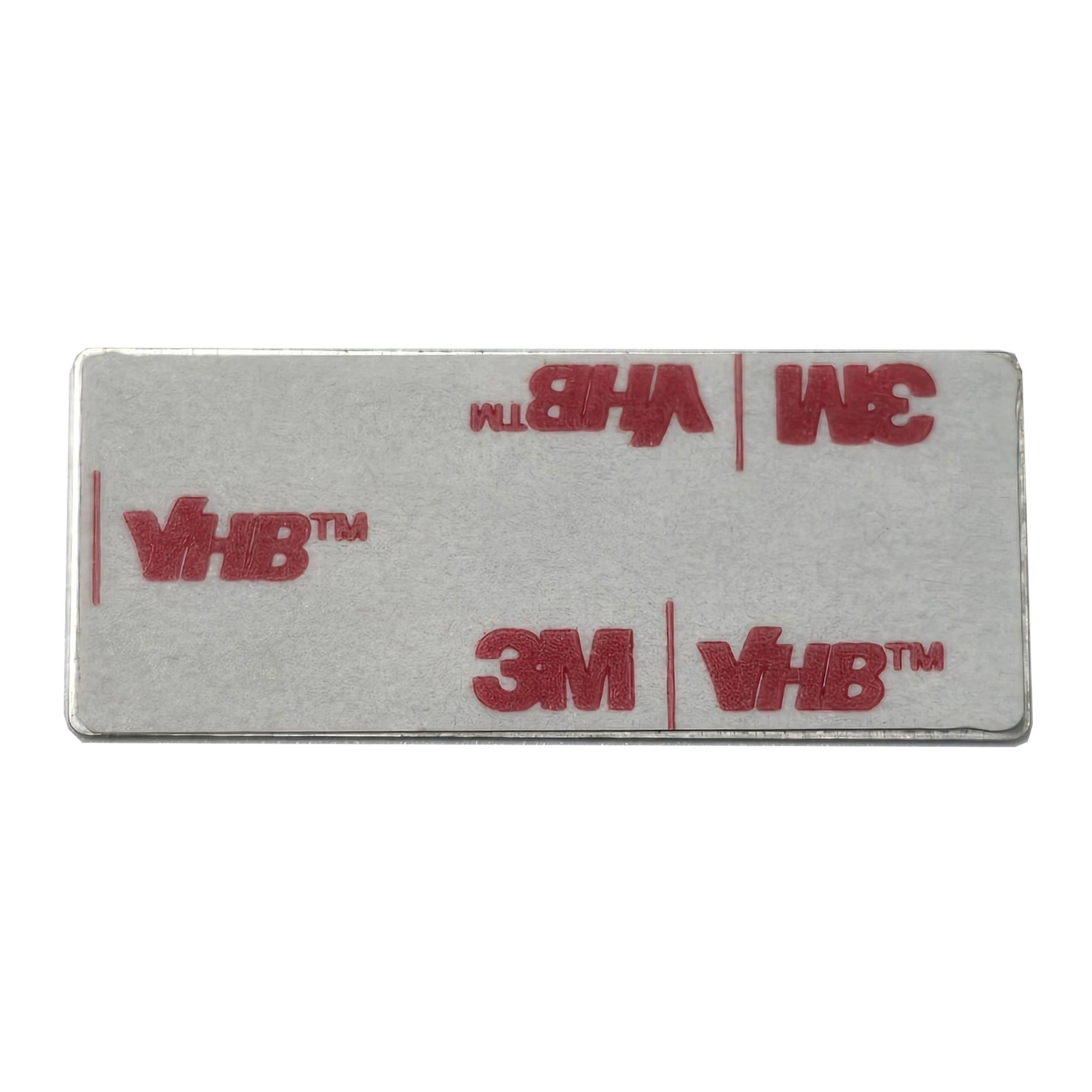
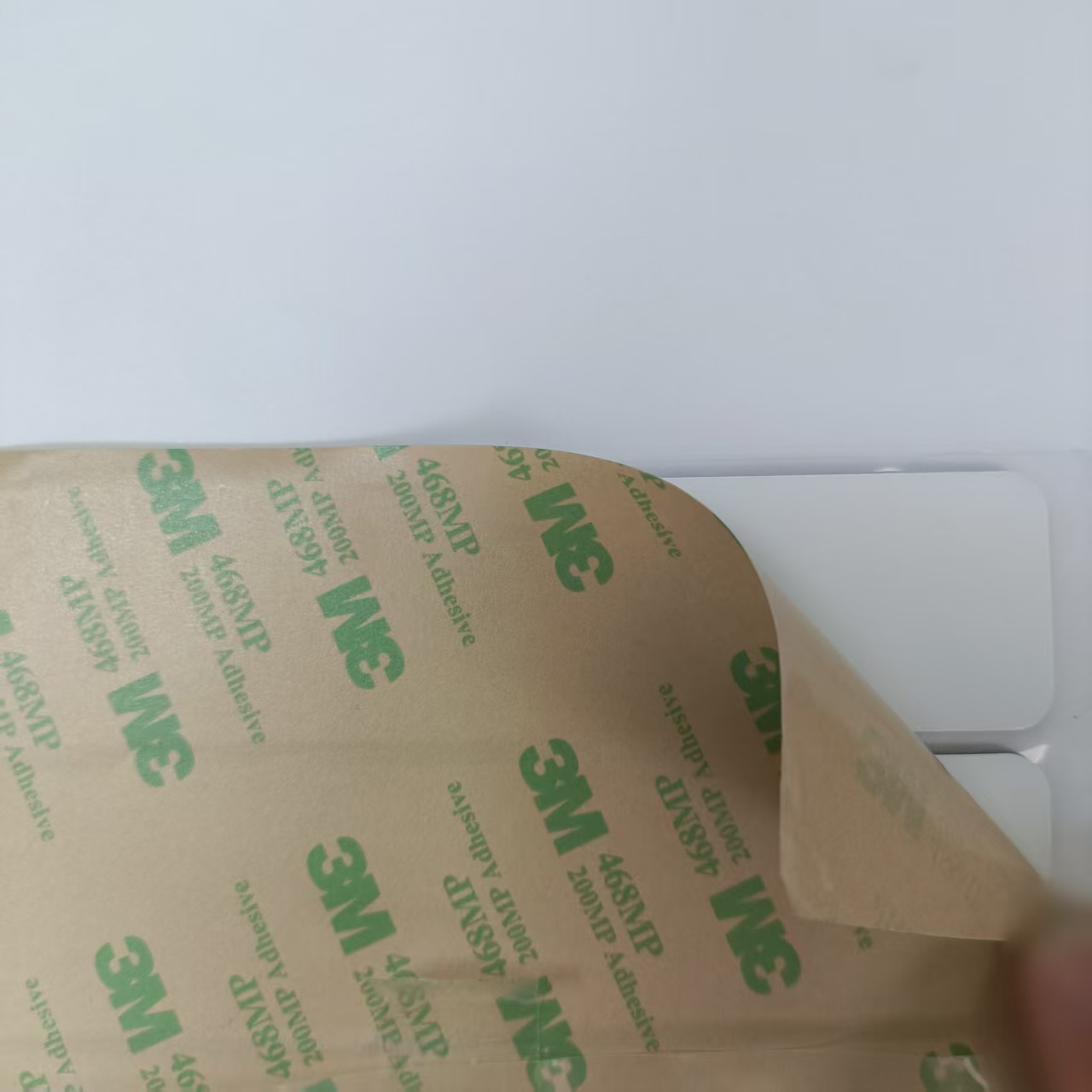
- Remove the tape backing first before treating 3M adhesive residue.
- Work in thin layers. Trying to scrape all glue at once increases surface damage.
- After you remove 3M adhesive, clean the whole area to eliminate leftover oil or solvent.
- If you plan to reapply new 3M tape later, fully degrease the cleaned surface with isopropyl alcohol for better bonding.
Conclusion
Knowing how to remove 3M adhesive saves you from scratched paint, damaged walls and wasted time. Always start with the mildest method: heat. Move to rubbing alcohol, oil and then heavy-duty removers only for stubborn residue. Match your technique to your surface, run a spot test and work slowly. With these steps, you can safely remove 3M adhesive residue from almost any surface without permanent damage.
Contact Person: Ryan
WhatsApp: +86 13513612819
Email: sales1@szhaixinda.com
Website:https://www.hxindanameplate.com/
Address: 2nd Floor, Building A, Baokezhen Industrial Park,
No.22 Jiaoping Avenue, Tangxia Town,
Dongguan City, Guangdong Province, P.R.China
how does a laser cutter work
what are vinyl stickers
Related Article