What Are Membrane Switches
What Are Membrane Switches?
- Intro: In the traditional label and nameplate industry, most products focus solely on static identification, including logo display, parameter marking, asset coding, and brand presentation.
- 1. Basic Definition: What Exactly Are Membrane Switches?
- 2. Industry Status: Why Membrane Switches Lead Functional Nameplate Segments
- 3. Core Structural Composition of Membrane Switches
- 4. Two Main Types of Membrane Switches & Application Values
- 5. Core Advantages Over Traditional Ordinary Nameplates
- 6. Matching Application Scenarios with Industrial Nameplates
- 7. Conclusion: Membrane Switches Redefine High-End Label Industry
In the traditional label and nameplate industry, most products focus solely on static identification, including logo display, parameter marking, asset coding, and brand presentation. While these ordinary nameplates and labels complete basic marking functions, they lack interactive and operational capabilities. Among all labeling products, membrane switches stand uniquely as the only functional, interactive, and electronically integrated solution, occupying an irreplaceable core position in the modern industrial nameplate manufacturing field. They upgrade traditional passive marking parts into active human-machine interaction components and become essential supporting accessories for industrial equipment, medical devices, and smart electronic products.
1. Basic Definition: What Exactly Are Membrane Switches?
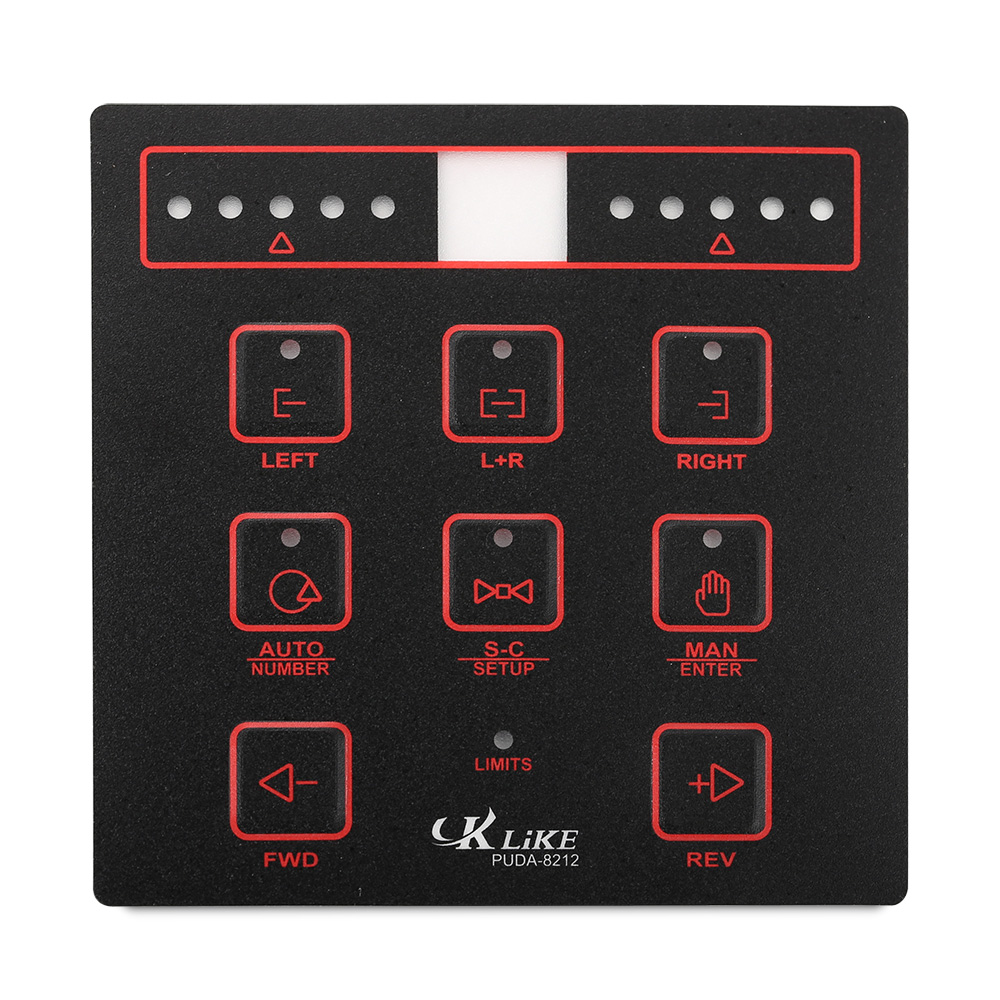
A membrane switch is a multi-layer laminated flexible control panel integrated with graphic printing, insulating structure, and conductive circuits. Also known as a membrane keypad or functional overlay nameplate, it is made of high-quality PET, PC, and conductive ink materials. Different from rigid metal nameplates and ordinary adhesive labels, membrane switches adopt an ultra-thin fully sealed lamination process, combining decorative display and electronic control functions in one piece.
Simply put, ordinary labels can only “show information”, while membrane switches can “receive operation and control equipment”. It is the upgraded version of intelligent nameplates and the most technically valuable product in the contemporary label manufacturing industry.
2. Industry Status: Why Membrane Switches Lead Functional Nameplate Segments
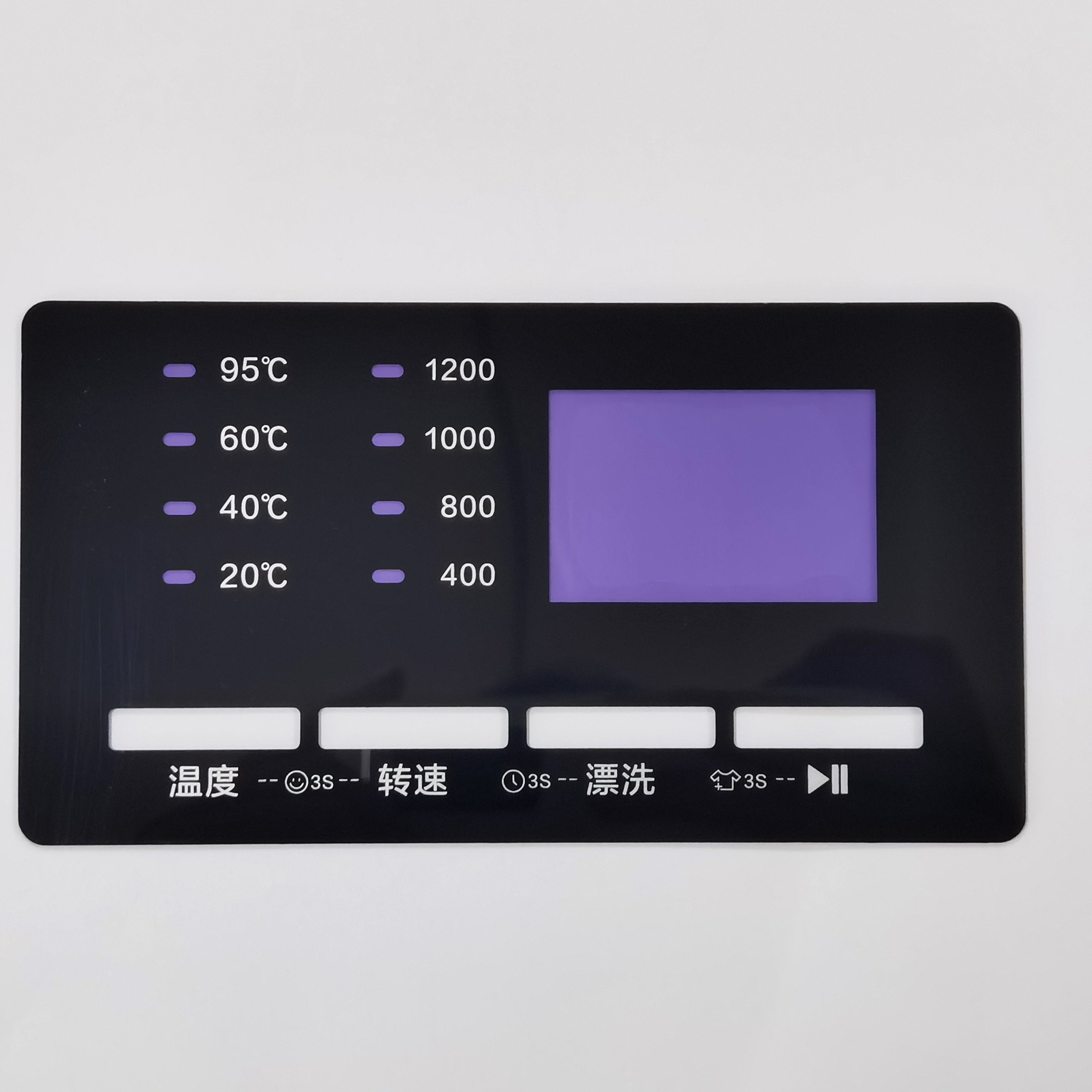
The label and nameplate industry can be divided into two major categories: static identification products and dynamic functional products. Traditional metal nameplates, asset tags, and printed labels belong to static identification, while membrane switches are the core representative of dynamic functional nameplates, holding a dominant position in high-end industrial supporting scenarios.
2.1 The Only Interactive Product in the Label Industry
All conventional nameplate products are passive accessories that will not change state after installation and have no linkage effect on equipment operation. As an electromechanical integrated nameplate product, membrane switches convert manual pressing actions into electrical signals to realize equipment start, stop, parameter adjustment, and function switching. It fills the functional blank of the traditional labeling industry and realizes the essential leap from “marking” to “controlling”.
2.2 High-Standard Representative of Industrial Nameplate Manufacturing
Compared with ordinary labels that only require clear printing and basic adhesion, membrane switches have extremely high manufacturing thresholds. They require precise circuit printing, multi-layer alignment lamination, sealed packaging, and durability testing. Their processing precision, material performance, and quality standards are far higher than ordinary nameplates, representing the highest processing level of customized industrial labels.
2.3 Rigid Demand for Intelligent Equipment Upgrading
With the upgrading of industrial automation, medical intelligence, and home appliance refinement, traditional mechanical buttons and bulky control panels are gradually eliminated. Ultra-thin, sealed, and customizable membrane switches have become the standard configuration of modern equipment. As a necessary supporting nameplate component, their market demand and industry importance continue to rise.
3. Core Structural Composition of Membrane Switches
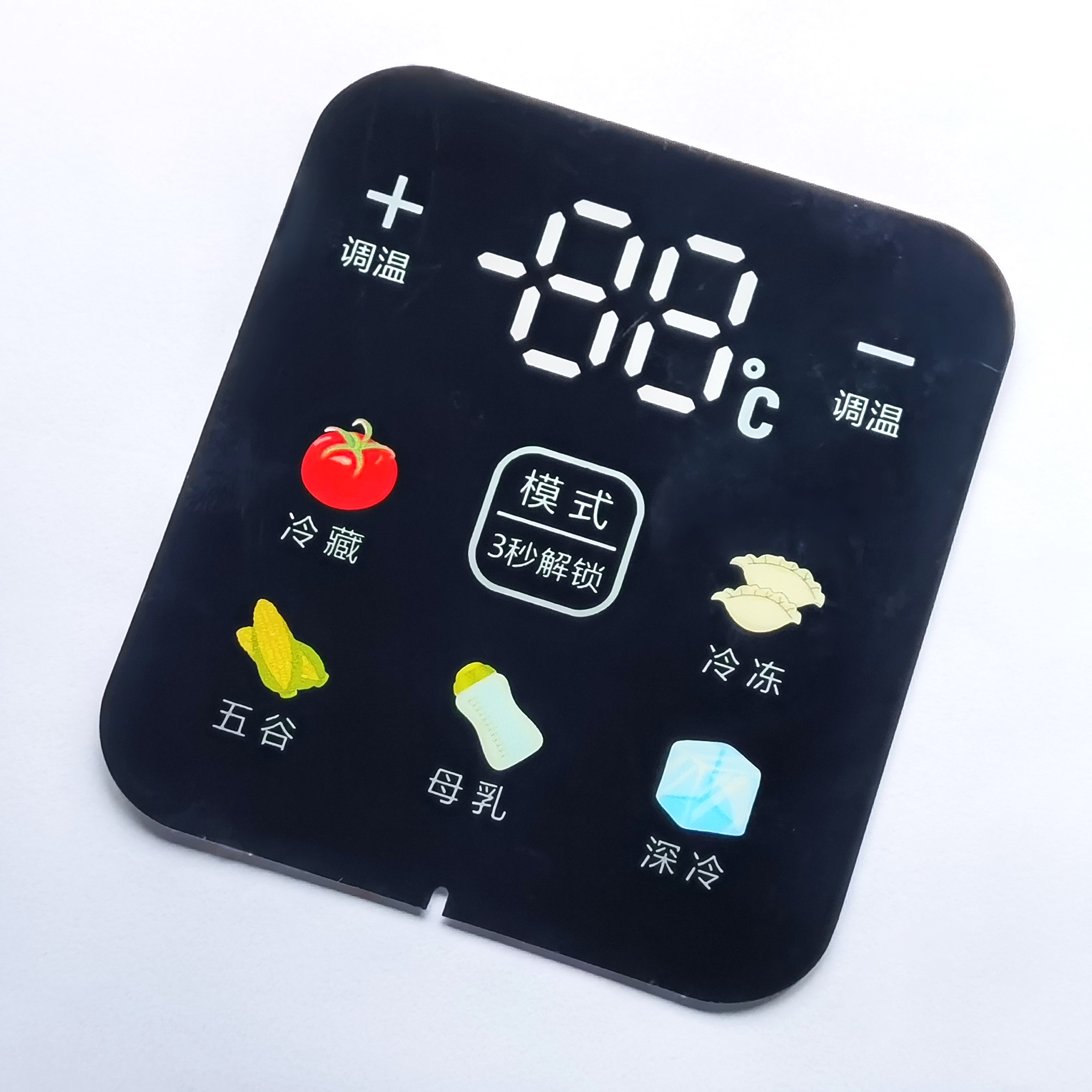
The powerful functional advantages of membrane switches come from their scientific multi-layer composite structure. Each layer has independent functions, and the overall collaboration realizes integration of decoration, protection, and control.
3.1 Four Basic Functional Layers
3.1.1 Graphic Overlay Layer (Top Layer)
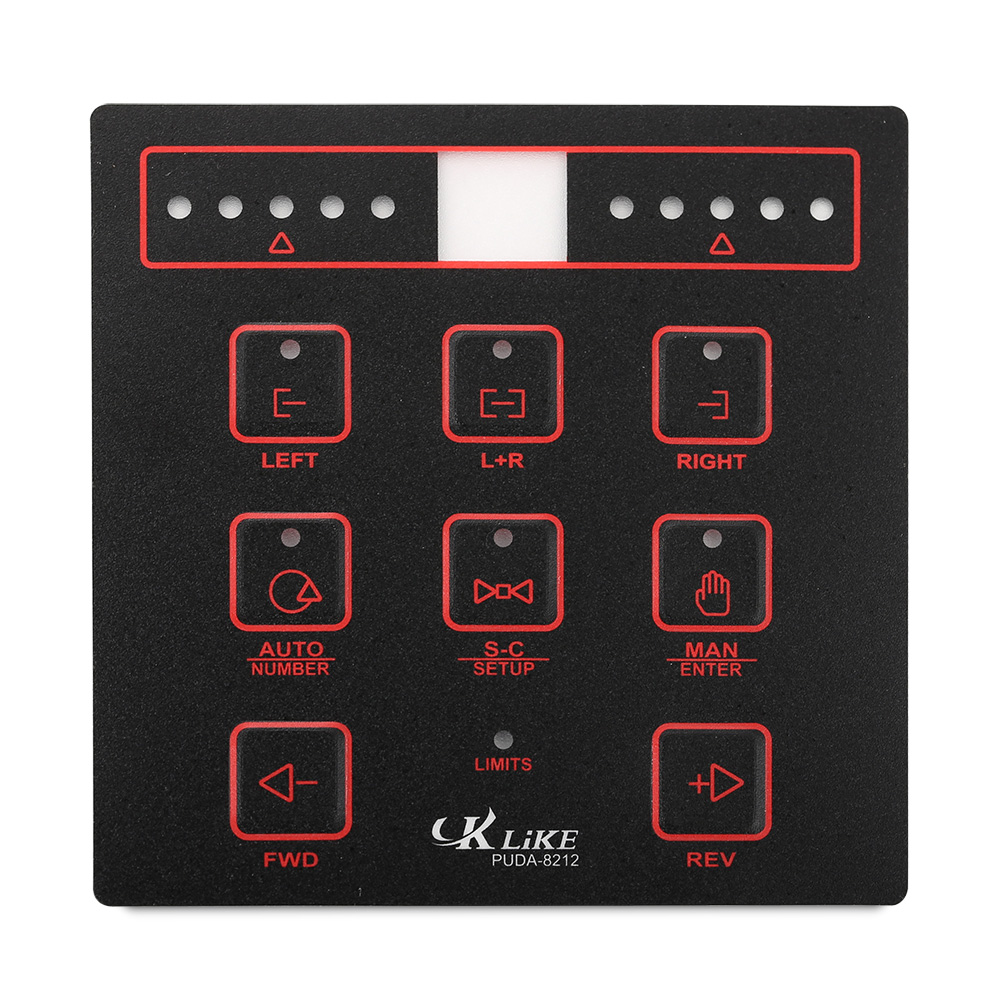
It is the outermost display surface of the switch, printed with functional icons, text instructions, brand logos, and key areas. It supports embossing, frosted anti-slip, waterproof and scratch-resistant treatment. It undertakes the visual identification function, equivalent to the decorative nameplate of traditional equipment.
3.1.2 Upper Conductive Circuit Layer
Conductive silver ink or carbon ink is printed on the PET substrate. This layer can deform under external pressure to contact the bottom circuit and complete signal conduction, which is the core sensing structure of the switch.
3.1.3 Isolation Spacer Layer
A hollow adhesive spacer is used to separate the upper and lower circuits to avoid accidental short circuit in the non-pressed state. Metal domes can be embedded in this layer to provide tactile feedback for pressing.
3.1.4 Bottom Fixed Circuit Layer
The fixed conductive circuit is connected with the equipment PCB board through the tail wire. It stably receives the pressing signal and feeds it back to the equipment system to realize functional control.
4. Two Main Types of Membrane Switches & Application Values
According to pressing feedback, membrane switches are divided into tactile and non-tactile types, which correspond to different industrial scenarios and fully cover the functional needs of various equipment nameplates.
4.1 Tactile Membrane Switches (Mainstream Industrial Type)
Built-in stainless steel metal domes, with clear click snap feedback during pressing. The operator can clearly judge whether the operation is successful. It is widely used in industrial control panels, medical instruments, and testing equipment, and is the most widely used functional nameplate in industrial scenarios.
4.2 Non-Tactile Membrane Switches
No built-in metal domes, flat pressing without mechanical feedback. It relies on LED lights or system prompts to complete operation confirmation. It has ultra-long service life and is suitable for high-frequency use scenarios such as home appliances and intelligent terminal equipment.
5. Core Advantages Over Traditional Ordinary Nameplates
Compared with static identification nameplates such as metal asset tags and printed labels, membrane switches have comprehensive dimensional advantages in functionality, durability and adaptability.
5.1 Integration of Identification and Control
It not only displays equipment information and functional instructions like ordinary nameplates, but also realizes equipment control operations. One product replaces the dual configuration of “ordinary nameplate + mechanical button”, saving equipment space and assembly cost.
5.2 IP Grade Sealing & Strong Environmental Adaptability
The fully laminated seamless structure reaches IP65/IP67 dustproof and waterproof grade, resistant to oil pollution, dust, moisture and chemical corrosion. It can work stably in harsh industrial environments for a long time, with far better environmental resistance than ordinary adhesive labels.
5.3 Ultra-Thin Lightweight & High Customization
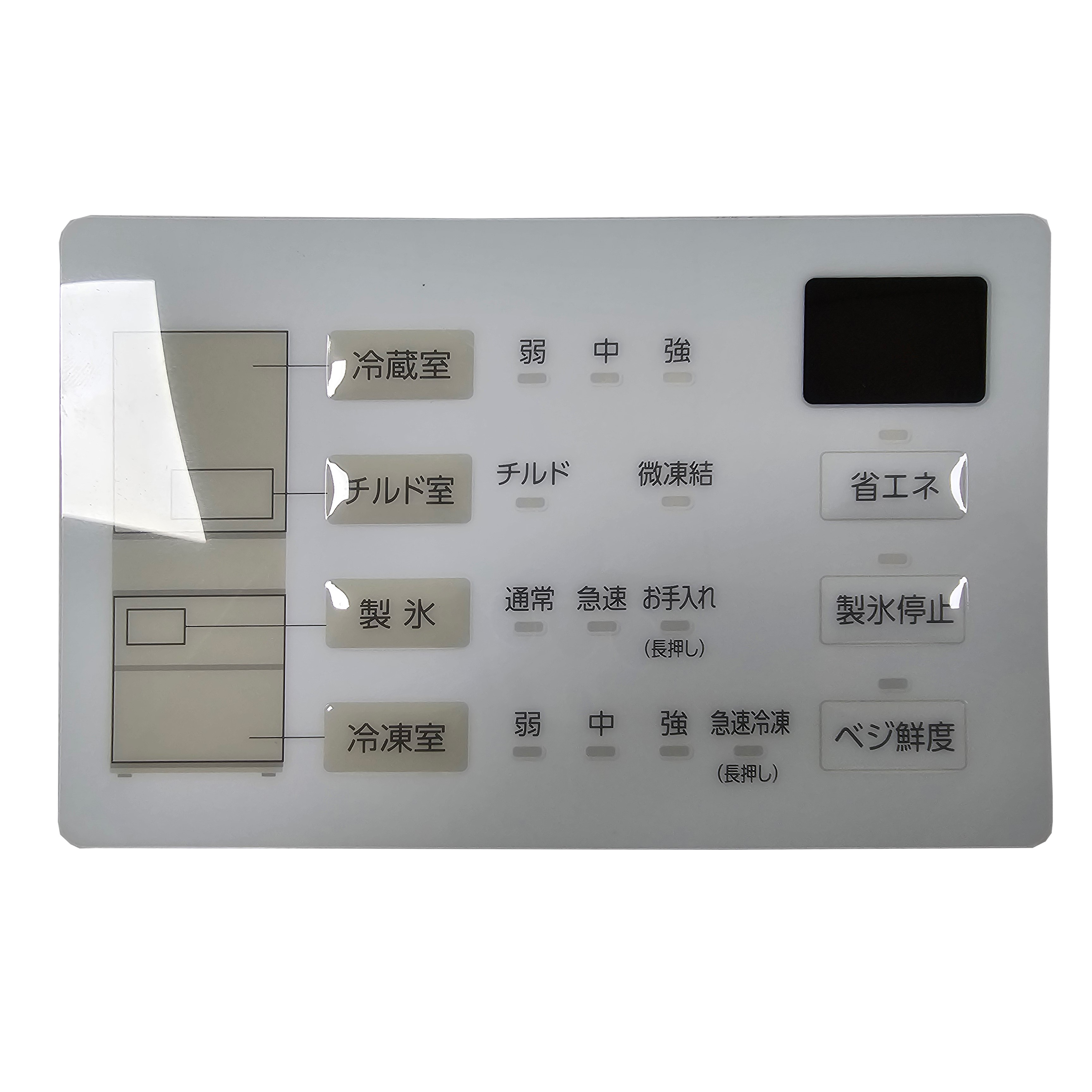
The overall thickness is only 0.3–1.5mm, which is thin and flat without occupying equipment space. It supports arbitrary shape cutting, color customization, backlight window design and back adhesive processing, perfectly matching personalized design needs of various equipment.
5.4 Long Service Life & Compliance Certification
Tactile switches support millions of pressing times, and non-tactile types can reach hundreds of millions of times. All materials meet RoHS and REACH environmental protection standards, fully meeting the export compliance requirements of European and American markets.
6. Matching Application Scenarios with Industrial Nameplates
Membrane switches and metal asset tags/nameplates form a perfect supporting system in industrial equipment projects, jointly completing equipment identification and functional configuration:
The equipment surface adopts membrane switches as the operation control nameplate for daily equipment debugging and use; the equipment body is equipped with metal asset tags for fixed asset coding, tracking and inventory management. The two complement each other and become a complete set of high-quality labeling solutions for industrial OEM equipment.
7. Conclusion: Membrane Switches Redefine High-End Label Industry
To sum up, membrane switches are not ordinary decorative labels or simple identification nameplates. They are intelligent, functional, and electromechanically integrated core products in the modern label and nameplate industry. Breaking through the single static marking limitation of traditional nameplates, they realize interactive control functions, with higher technical content, higher added value and wider industrial application value.
In the era of intelligent industrial manufacturing, membrane switches have become an indispensable core component of equipment supporting labels, firmly occupying the high-end functional segment of the nameplate industry, and are one of the most competitive core products in customized industrial labeling manufacturing.
Recommended Custom Products

Tactile Membrane Switch
Custom tactile membrane keypad with stainless steel domes, IP65 waterproof, for industrial control & medical instruments.
View Details
Non-Tactile Membrane Switch
Flat non-tactile membrane panel with ultra-long cycle life, available with backlight windows for smart devices.
View Details
Curved Metal Asset Tag
Custom curved stainless steel asset tags with mounting holes, laser engraving for asset tracking.
View Detailswhat is a graphic overlay
what is an asset tag
Related Article