what is an asset tag
What Is an Asset Tag?
- 1. Basic Definition: What Exactly Is an Asset Tag?
- 2. Core Industry Status: Why Asset Tags Dominate the Nameplate Field
- 3. Core Functional Advantages of Standard Asset Tags
- 4. Common Classifications & Application Scenarios of Asset Tags
- 5. Conclusion: Asset Tags Are the Cornerstone of Modern Label Industry
In the industrial, commercial, and corporate labeling industry, countless nameplates and labels serve different functional purposes. Among them, asset tags stand out as the most essential, high-value, and widely applied identification solution. Unlike decorative or simple descriptive labels, asset tags are professional industrial nameplates designed for full-lifecycle asset management. They are not just ordinary stickers or metal plates—they are the core carrier that connects physical equipment and digital management systems. This blog breaks down the definition, core value, industry status, classification, and practical functions of asset tags to explain why they are irreplaceable in the nameplate manufacturing field.
1. Basic Definition: What Exactly Is an Asset Tag?
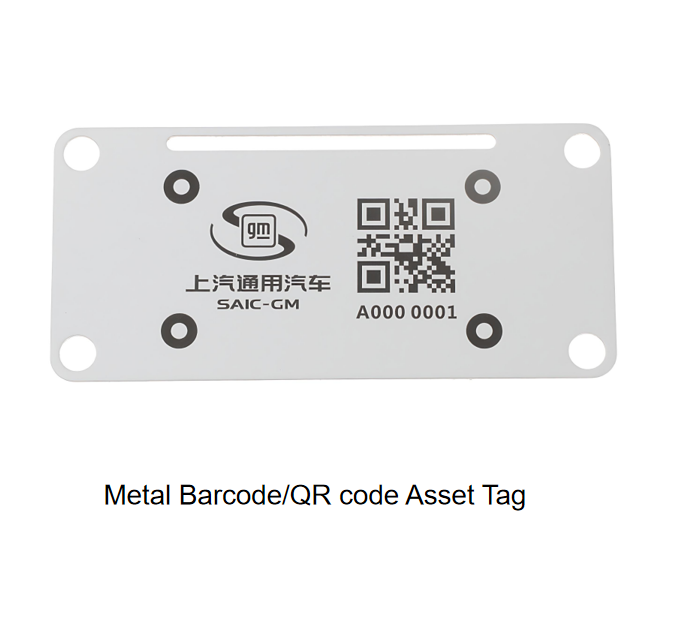
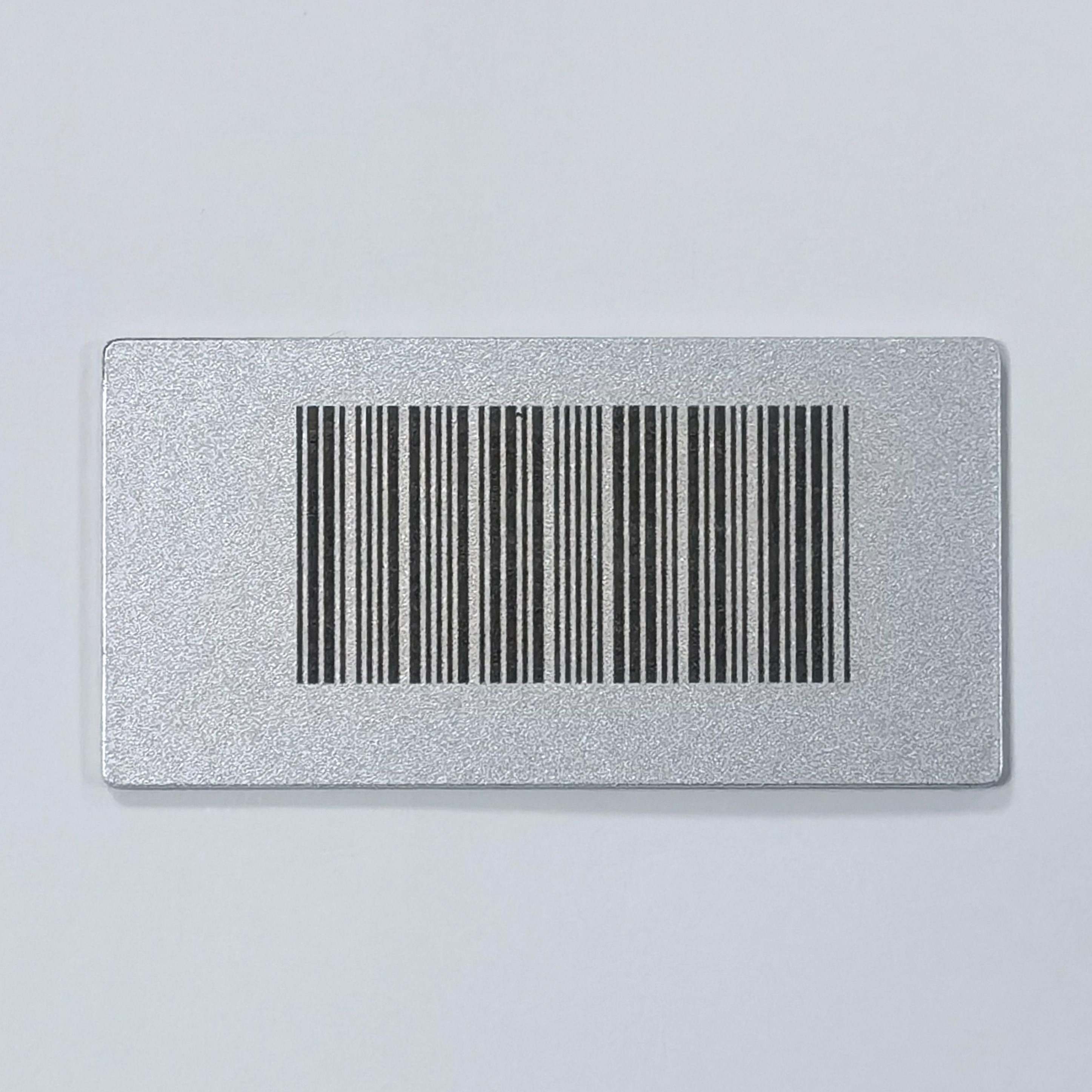
An asset tag is a durable, customized identification label or metal nameplate permanently fixed on high-value physical assets. It is embedded with a unique exclusive identifier, such as an asset ID, serial number, barcode, QR code, or RFID chip. Its core function is to mark asset attribution, realize one-item-one-code management, and support long-term tracking, inventory verification, maintenance recording, and asset anti-loss management throughout the equipment service life.
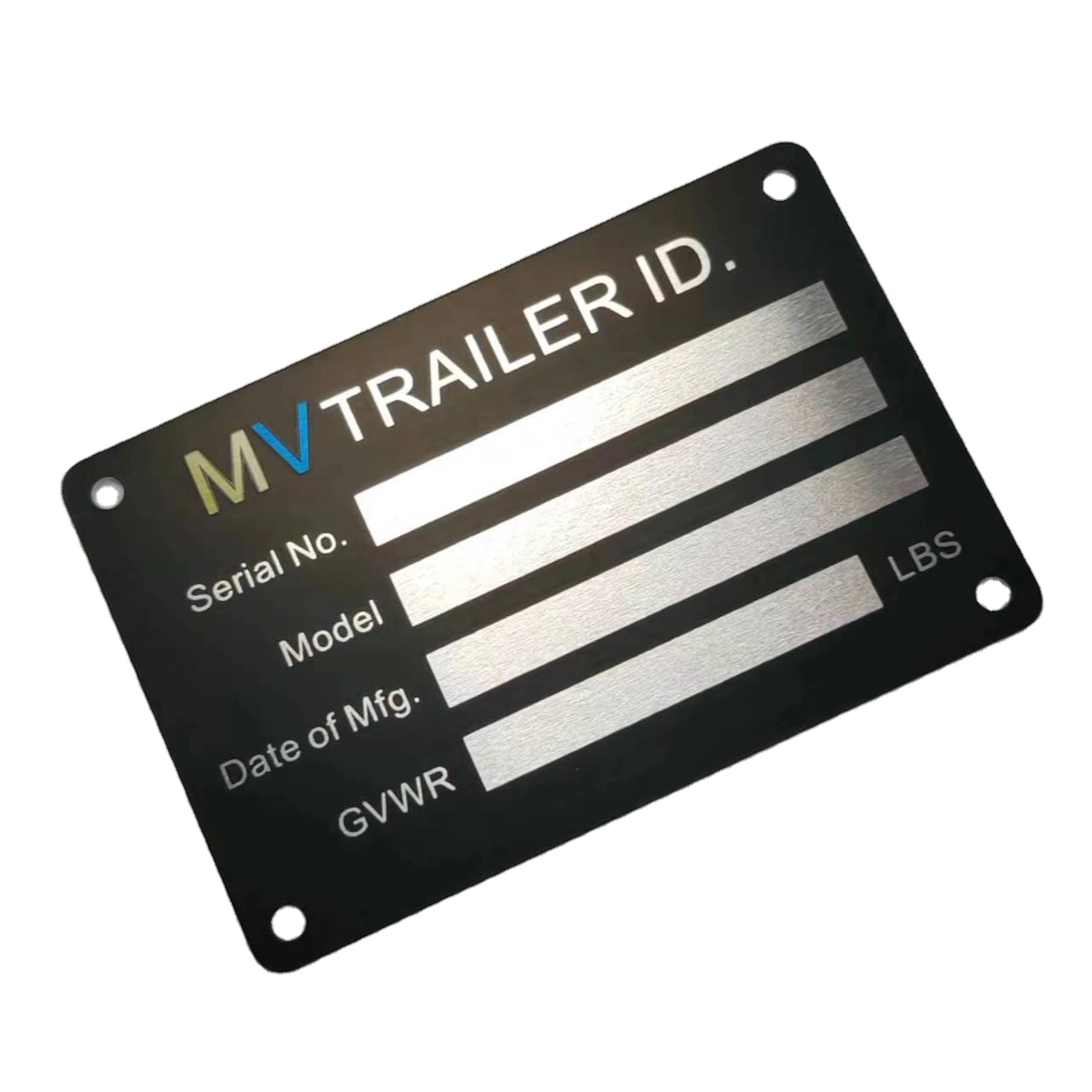
Different from ordinary decorative nameplates that only display logos or texts, asset tags are functional-oriented industrial labels. Every design detail, from material selection, engraving content to structural style, serves asset standardization management, making them the most professional category in the entire label and nameplate industry.
2. Core Industry Status: Why Asset Tags Dominate the Nameplate Field
In the global industrial labeling market, common products include logo nameplates, warning labels, specification stickers, and decorative signs. However, asset tags occupy the core and dominant position in commercial and industrial nameplate applications, with irreplaceable industry value.
2.1 The Only Label for Full-Lifecycle Asset Management
Ordinary nameplates only complete "display functions" and have no subsequent management value after installation. In contrast, asset tags run through the entire life of equipment from factory delivery, deployment and use, daily maintenance, inventory audit, to scrapping and recycling. It is the only physical medium that records asset lifecycle data, realizing closed-loop management of physical assets and digital data.
2.2 Mandatory Standard for Enterprise Compliance & Audit
For medium and large enterprises, factories, medical institutions, and educational groups, fixed asset auditing is a regular mandatory work. Traditional manual inventory is inefficient and error-prone, while standardized asset tags provide official and credible identification basis for asset counting, financial accounting, and tax declaration. Without qualified asset tags, enterprise asset management will face confusion, loss, and compliance risks.
2.3 High Barrier & High-Standard Representative of Nameplate Products
Ordinary decorative nameplates have low requirements for material durability and processing precision. But asset tags, as industrial functional nameplates, require wear resistance, corrosion resistance, high temperature resistance, and long service life. Metal asset tags (stainless steel, aluminum) commonly used in the industry can maintain clear identification for more than 10 years in harsh industrial environments. Their processing precision, anti-counterfeiting performance, and structural adaptability represent the highest manufacturing standards in the label industry.

3. Core Functional Advantages of Standard Asset Tags
The mainstream status of asset tags in the industry is ultimately derived from their powerful practical functions, solving various pain points of enterprise asset management.
3.1 Unique Identification, Eliminate Asset Confusion
Each asset tag corresponds to an independent unique code, which can accurately distinguish identical equipment of the same model and specification. It completely avoids asset confusion caused by consistent equipment appearance, and clarifies the unique identity of each fixed asset for enterprises.
3.2 Realize Digital & Intelligent Management
Combined with barcode, QR code or RFID technology, asset tags can be scanned and identified through mobile phones or professional scanners. One-click query of asset location, user, purchase time, maintenance record, and depreciation data is realized. It completely replaces inefficient manual registration and builds a digital asset management system for enterprises.
3.3 Effectively Prevent Asset Loss & Theft
Asset tags mark clear enterprise attribution and unique coding information. For mobile equipment, office devices, and industrial tools with high mobility, standardized labeling can effectively reduce private occupation, random placement and loss. At the same time, it provides traceable basis for asset loss checking and asset recovery.
3.4 Standardize Maintenance & Reduce Operating Costs
All maintenance, repair and replacement records of equipment can be bound to the unique code of the asset tag. Managers can quickly view equipment operation status, formulate scientific maintenance plans, avoid equipment failure caused by missed maintenance, and effectively reduce enterprise equipment operation and replacement costs.
4. Common Classifications & Application Scenarios of Asset Tags
According to materials, structures and functions, asset tags have diverse classifications, covering almost all industrial and commercial asset scenarios, which also confirms their wide industry applicability.
4.1 By Material: Mainstream Industrial Grade Materials
4.1.1 Metal Asset Tags (Core Mainstream)
Including stainless steel and aluminum alloy asset tags, featuring sturdiness, drop resistance, corrosion resistance and long service life. They support special structural customization such as bending, arc shaping, and mounting holes. They are the preferred choice for industrial equipment, mechanical facilities, and outdoor fixed assets, and are also the high-end core products of the nameplate industry.
4.1.2 Adhesive & Vinyl Asset Tags
Lightweight self-adhesive tags, suitable for indoor office equipment, computers, electrical appliances and other light assets. They are low-cost and easy to paste, suitable for batch daily asset management.
4.2 By Function: Intelligent Upgrade Iteration
4.2.1 Barcode & QR Code Asset Tags
The most widely used basic type, with low recognition threshold and high compatibility, suitable for most enterprise conventional asset management scenarios.
4.2.2 RFID Intelligent Asset Tags
Built-in induction chip, supporting long-distance batch identification, suitable for large factory warehouses, equipment clusters and other scenarios that require rapid inventory.
5. Conclusion: Asset Tags Are the Cornerstone of Modern Label Industry
To sum up, asset tags are not a simple accessory label. They are functional, standardized, and intelligent industrial nameplate core products. Compared with ordinary decorative labels, they have higher technical standards, wider application scope, and stronger enterprise rigid demand.
In the era of digital industrial management, asset tags have become an indispensable basic configuration for enterprise asset management, audit compliance, and cost control. They firmly occupy the dominant core position in the global nameplate and labeling industry, and are also the most stable and high-value product category in the customized label manufacturing field.
Recommended Custom Asset Tags

Curved Metal Asset Tag
Custom curved stainless steel asset nameplate, with double mounting holes, laser engraving available. Ideal for curved machine surfaces.
View Details
Laser Engraved Aluminum Asset Tag
Lightweight aluminum asset tags, support QR code & serial number engraving, durable for indoor & outdoor equipment.
View Details
RFID Metal Asset Tag
Metal-friendly RFID asset labels, long range scanning for warehouse bulk inventory & asset tracking.
View DetailsWhat Are Membrane Switches
What Are Decals Stickers? Definition, Types and Key Features
Related Article