what is electroforming
What is Electroforming? Definition, Process, Benefits & Applications
- 1. What is Electroforming: Core Definition
- 1.1 Core Essence of Electroforming Technology
- 2. How Does Electroforming Work? Step-by-Step Process
- 2.1 Mandrel Design and Fabrication
- 2.2 Electrolytic Bath Preparation
- 2.3 Controlled Metal Electrodeposition
- 2.4 Demolding and Post-Processing
- 3. Key Features of Electroforming Technology
- 3.1 Ultra-High Dimensional Accuracy
- 3.2 Excellent Surface Quality
- 3.3 Flexible Material and Shape Adaptability
- 3.4 Stable Mechanical Performance
- 4. Core Benefits of Electroforming
- 4.1 Zero Loss of Fine Details
- 4.2 Low Production Cost for Complex Parts
- 4.3 Lightweight Product Structure
- 5. Common Applications of Electroforming
- 5.1 Precision Electronic Components
- 5.2 Jewelry and Decoration Manufacturing
- 5.3 Aerospace and Military Industry
- 5.4 Mold and Precision Tool Manufacturing
- 6. Electroforming vs Electroplating: Key Differences
- 7. Conclusion: The Value of Electroforming Technology
- FAQs About Electroforming
If you are searching for what is electroforming, you are likely exploring high-precision metal manufacturing techniques for industrial, jewelry, or engineering projects. Electroforming is a sophisticated electrochemical additive manufacturing process that creates intricate, ultra-precise metal parts through controlled metal electrodeposition. Unlike traditional metal cutting, stamping, or forging methods that remove or reshape raw metal, electroforming builds metal components atom by atom on a prefabricated mold, delivering unmatched detail accuracy and dimensional consistency.
This guide fully explains what electroforming is, how it works, its core characteristics, key advantages, practical applications, and the difference between electroforming and similar electroplating processes. Optimized for search clarity and technical accuracy, this article covers all essential knowledge for beginners and industry professionals looking to understand electroforming technology.

1. What is Electroforming: Core Definition
To answer the core question what is electroforming simply and professionally: Electroforming is a precision electro-deposition manufacturing technology that uses electrolysis principles to deposit thick, pure metal layers onto a conductive or surface-treated non-conductive mandrel (mold). After completing the metal deposition process, the formed metal layer is separated from the mandrel to obtain an independent, seamless metal product.
As a unique additive manufacturing process, electroforming differs fundamentally from conventional metal processing. It does not rely on mechanical force or material cutting but grows metal structures layer by layer. The entire process follows Faraday’s laws of electrolysis, enabling strict control over metal thickness, shape, and microstructure, with a manufacturing accuracy ranging from 0.001mm to 0.01mm, far exceeding most mechanical processing methods.
1.1 Core Essence of Electroforming Technology
The key essence of electroforming lies in mold replication and precise metal growth. It can perfectly replicate every tiny detail on the mandrel surface, including micro holes, ultra-fine lines, and complex curved structures that are difficult to process mechanically. This is the core reason why electroforming is irreplaceable in high-precision manufacturing fields.
2. How Does Electroforming Work? Step-by-Step Process
To thoroughly understand what is electroforming, it is necessary to master its complete working process. The electroforming workflow is standardized and controllable, divided into four core stages, with strict parameter control in each step to ensure product precision and quality stability.
2.1 Mandrel Design and Fabrication
The mandrel (mold) is the foundation of electroforming production. According to the target product shape, workers fabricate mandrels with materials like resin, wax, plastic, or metal. For non-conductive mandrels, a thin conductive coating (such as silver or graphite) is sprayed on the surface to enable current conduction, which is a prerequisite for metal deposition. The surface finish and detail accuracy of the mandrel directly determine the final effect of electroformed products.
2.2 Electrolytic Bath Preparation
Prepare a professional electrolytic solution according to the required metal material (common materials include nickel, copper, gold, silver, and alloy). The solution contains stable metal ions, and parameters such as solution concentration, temperature, and pH value are precisely adjusted to create a stable electrolytic environment, ensuring uniform metal deposition.
2.3 Controlled Metal Electrodeposition
Place the treated mandrel as the cathode and the pure metal plate (corresponding to the electroformed material) as the anode into the electrolytic bath. Connect a stable DC power supply, and under the action of current, metal ions in the solution will continuously deposit on the mandrel surface, gradually forming a dense, uniform metal layer. The deposition thickness can be accurately controlled by adjusting current intensity and electrolysis time.
2.4 Demolding and Post-Processing
When the metal layer reaches the preset thickness, power off and take out the mandrel. Separate the metal layer from the mandrel through physical or chemical demolding methods to obtain a complete electroformed product. Finally, conduct post-processing such as cleaning, polishing, and surface anti-oxidation treatment to improve product finish and durability.

3. Key Features of Electroforming Technology
The unique technical attributes of electroforming are the main reasons for its wide application in high-end manufacturing. Based on the principle of what is electroforming, its core features are summarized as follows:
3.1 Ultra-High Dimensional Accuracy
Electroforming achieves micron-level manufacturing accuracy, which can perfectly replicate microstructures on the mandrel surface without dimensional deviation caused by mechanical processing. It is especially suitable for manufacturing ultra-thin parts, micro-hole parts, and complex special-shaped components that cannot be completed by traditional processes.
3.2 Excellent Surface Quality
The metal layer formed by electro-deposition has a dense and uniform structure, with no burrs, cracks, or tool marks on the surface. The product has high flatness and smoothness, and basically does not need secondary fine processing in most scenarios.
3.3 Flexible Material and Shape Adaptability
Electroforming supports multiple metal materials and can manufacture products with ultra-thin, hollow, and irregular complex structures. It has almost no restrictions on product shape, making up for the limitations of stamping, casting, and cutting processes in complex part production.
3.4 Stable Mechanical Performance
The electroformed metal layer has uniform internal structure, stable hardness and toughness, no internal stress concentration, and is not easy to deform or damage. The product consistency of batch production is extremely high, which is suitable for large-scale standardized production.
4. Core Benefits of Electroforming
Compared with traditional metal manufacturing processes, electroforming has obvious competitive advantages in precision, cost, and efficiency, which further explains the application value of what is electroforming in modern industry.
4.1 Zero Loss of Fine Details
Different from mechanical processing that easily wears away tiny details, electroforming replicates the mold details 100% atom by atom. It can restore ultra-fine textures, patterns, and micro structures, which is irreplaceable for high-precision decorative parts and industrial precision components.
4.2 Low Production Cost for Complex Parts
For complex and micro precision parts, traditional processing requires expensive precision equipment and complex processes, with high scrap rates. Electroforming only needs to customize the mandrel, and the batch production cost is low, with a high yield rate, effectively reducing the overall manufacturing cost.
4.3 Lightweight Product Structure
Electroforming can produce ultra-thin metal parts while ensuring structural strength, which greatly reduces the weight of components. It is widely used in aerospace, electronic equipment, and other fields with strict lightweight requirements.
5. Common Applications of Electroforming
After clarifying what is electroforming, we can clearly understand its wide application scenarios. Relying on high precision and high simulation advantages, electroforming covers multiple high-end industries:
5.1 Precision Electronic Components
Electroforming is used to manufacture precision electronic parts such as circuit board micro-components, conductive gaskets, and sensor metal shells. Its high dimensional accuracy and stable electrical conductivity meet the strict precision requirements of electronic equipment.
5.2 Jewelry and Decoration Manufacturing
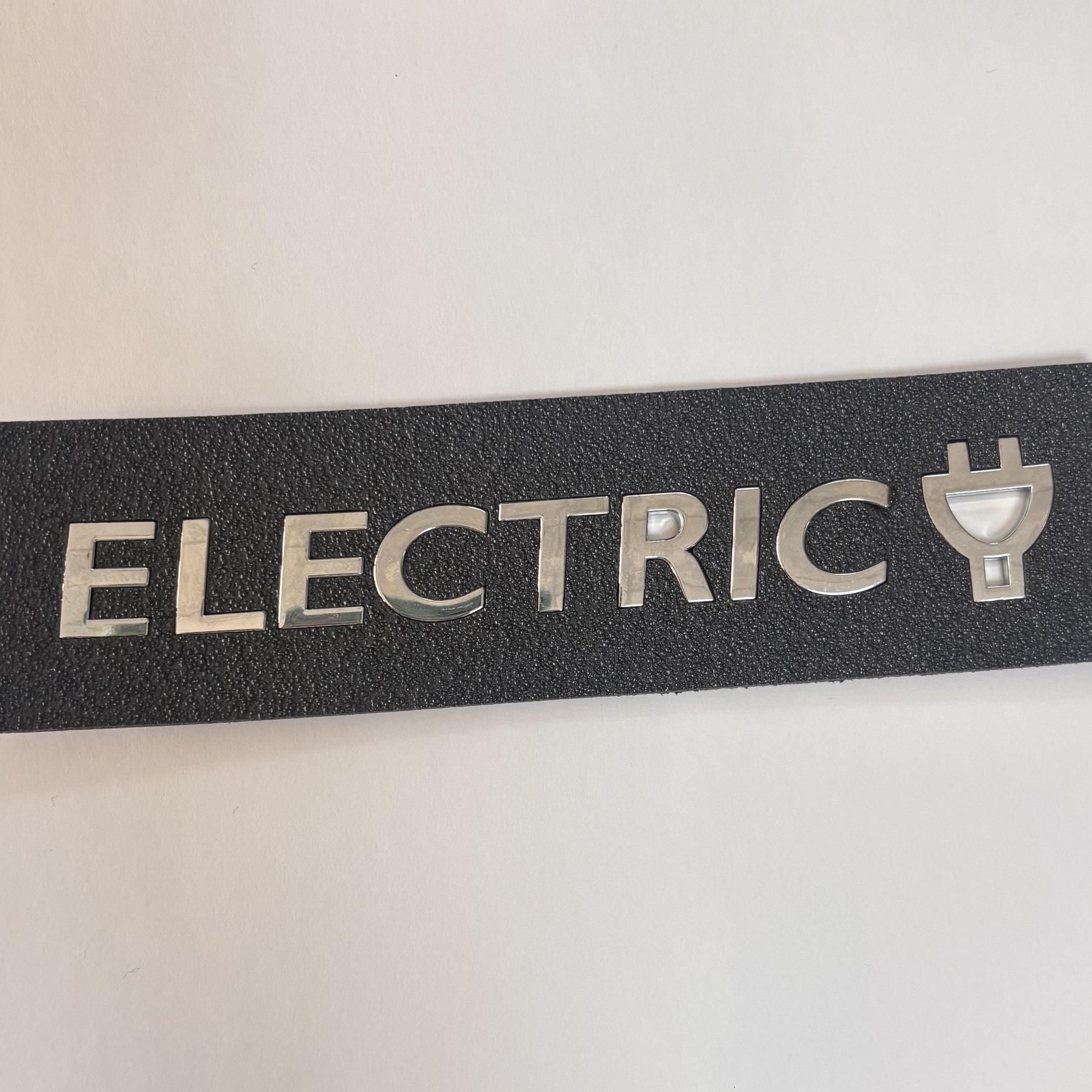
In the jewelry industry, electroforming is commonly used to make hollow gold and silver jewelry, delicate pendants, and textured metal ornaments. It can create lightweight and highly detailed jewelry, reducing material costs while ensuring exquisite appearance.
5.3 Aerospace and Military Industry
Aerospace equipment requires high-precision, lightweight, and high-stability metal parts. Electroformed components have uniform structure and stable performance, which are widely used in aircraft precision parts, satellite components, and military equipment accessories.
5.4 Mold and Precision Tool Manufacturing
Electroforming can manufacture high-precision mold inserts, micro-hole molds, and embossing molds. The replicated mold surface has ultra-high finish, which can effectively improve the processing accuracy of downstream products.
6. Electroforming vs Electroplating: Key Differences
Many people confuse electroforming with electroplating, but there are essential differences between the two processes. Distinguishing them helps to deepen the understanding of what is electroforming:
6.1 Different Production Purposes
Electroplating is mainly used for surface protection and decoration, forming a thin metal coating on the surface of the workpiece to prevent corrosion and improve appearance. Electroforming is an independent manufacturing process, which directly produces complete, usable metal parts.
6.2 Different Metal Layer Thickness
Electroplating forms a very thin metal layer, usually only a few microns. Electroforming deposits thick metal layers, and the thickness can be freely adjusted according to product needs to form independent structural parts.
6.3 Different Post-Processing Methods
After electroplating, the metal layer is tightly combined with the workpiece and does not need to be separated. After electroforming, the deposited metal layer must be demolded from the mandrel to become a finished product.

7. Conclusion: The Value of Electroforming Technology
In short, electroforming is a high-precision electrochemical additive manufacturing process that relies on electrolytic deposition to grow and form independent metal parts. It abandons the limitations of traditional mechanical processing, achieves ultra-fine detail replication and high-precision dimensional control, and fills the technical gap in the manufacturing of complex micro-precision metal parts.
With the continuous upgrading of industrial precision manufacturing requirements, electroforming technology has become an indispensable core process in electronics, aerospace, jewelry, mold and other industries. Understanding what is electroforming helps enterprises and practitioners select more efficient and high-precision metal manufacturing solutions to improve product quality and market competitiveness.
FAQs About Electroforming
Q1: What materials can be used for electroforming?
Common electroforming materials include pure nickel, pure copper, gold, silver, and various alloys. The mandrel materials cover metal, resin, wax, and plastic, with strong material adaptability.
Q2: Is electroforming suitable for mass production?
Yes. After the mandrel is completed, electroforming can realize batch repetitive production with stable product consistency, high yield rate, and suitable for small-batch customized production and large-scale standardized production.
Q3: What is the maximum precision of electroforming?
The dimensional accuracy of electroforming can reach 0.001mm, which can meet the manufacturing requirements of almost all micro-precision metal parts, far superior to traditional stamping and casting processes.
how to remove sticky labels from metal
what material is abs
Related Article