
what is laser engraving
author: Ryan
2026-08-21
What is Laser Engraving? A Complete Beginner’s Guide
If you’ve ever wondered what is laser engraving, you’re not alone. Laser engraving is one of the most precise, versatile, and durable marking technologies used across commercial, industrial, and personal creative projects worldwide. Unlike traditional mechanical engraving, printing, or chemical etching, it uses a focused laser beam to create permanent, high-resolution markings on nearly any material surface. This guide breaks down exactly what laser engraving is, how it works, its core types, key benefits, and common applications to help you fully understand this essential manufacturing and crafting technique.
1. What is Laser Engraving: Core Definition
To answer simply, laser engraving is a non-contact material removal process that uses a high-energy, focused laser beam to vaporize, melt, or ablate tiny portions of a material’s surface, creating permanent recessed marks, patterns, text, or graphics. It is a subset of laser marking but differs fundamentally from laser etching or laser annealing due to its physical material removal mechanism.
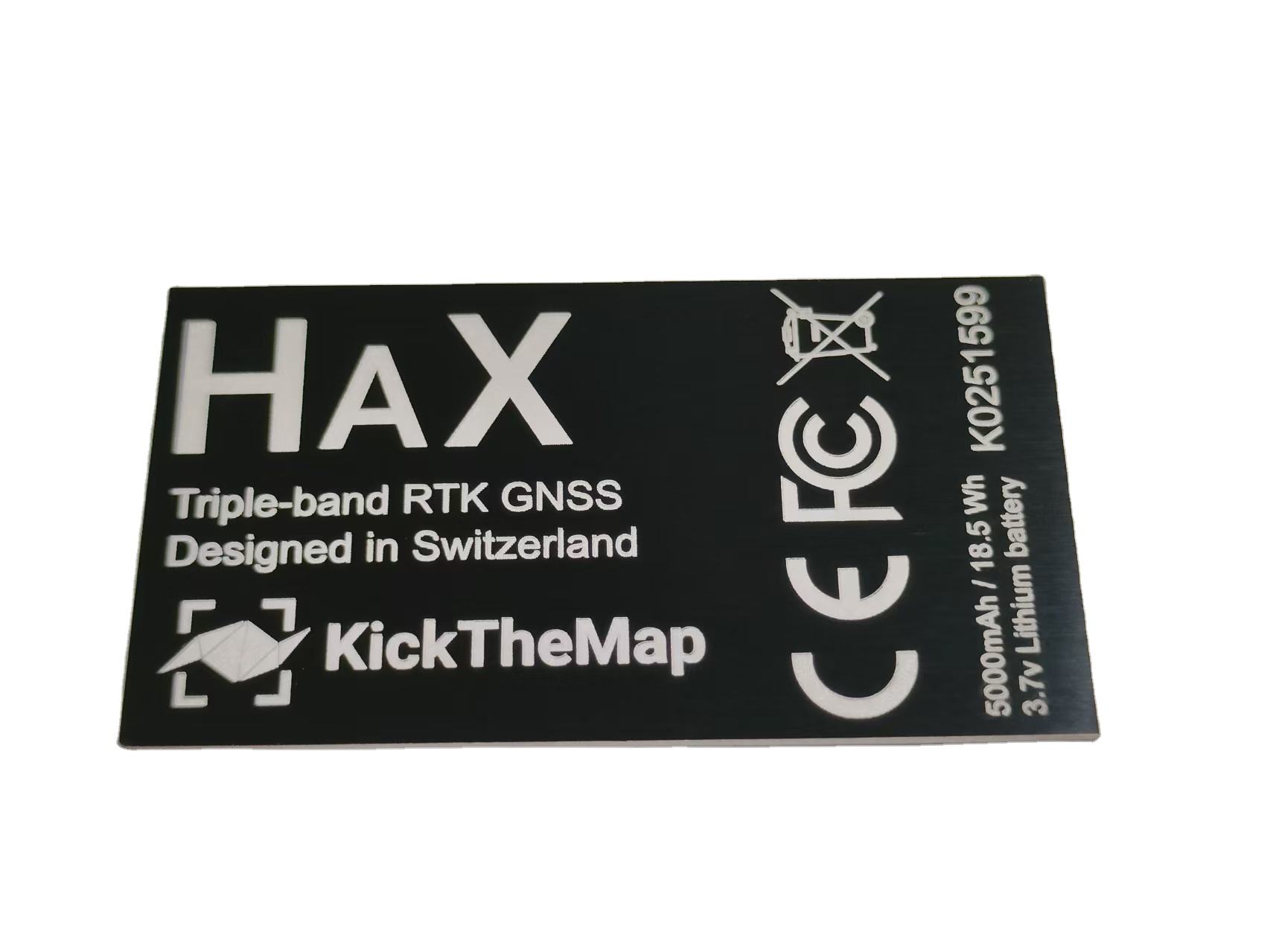
A key detail that defines what is laser engraving is its depth capability. While surface marking methods only alter material color or texture, laser engraving carves into the workpiece to form tactile, long-lasting indentations. The typical engraving depth ranges from 0.1mm to several millimeters, adjustable based on laser power, speed, and material type. This makes it ideal for permanent branding, part identification, and decorative engraving that resists fading, scratching, or wear over time.
2. How Does Laser Engraving Work? Step-by-Step Process
Understanding the working principle is critical to fully grasping what is laser engraving. The entire process is computer-controlled, precise, and fully automated, with zero physical contact between tools and materials. Below is the complete step-by-step workflow:
2.1 Digital Design Preparation
The process starts with a digital file, such as a vector logo, text, barcode, or custom graphic. Users import the design into laser engraving software, adjust parameters including engraving depth, speed, and resolution, and map the design to the target material surface. This digital foundation ensures every engraving is accurate and repeatable.
2.2 Laser Beam Focusing
The laser generator emits a high-intensity coherent light beam, which is focused through lenses and mirrors into a tiny micrometer-level spot. This concentrated beam delivers extreme localized energy, which is the core power source for all laser engraving effects.
2.3 Material Ablation & Carving
When the focused laser beam hits the workpiece surface, the high temperature instantly vaporizes or melts the target material. The laser head moves precisely along the pre-set design path, removing material layer by layer to form clean, detailed recessed patterns. This melt and evaporation ablation process is what creates the permanent engraved effect unique to laser engraving.
2.4 Finished Permanent Marking
After processing, the workpiece features crisp, high-definition engravings with smooth edges. No additional ink, paint, or post-processing is required, and the marks are resistant to abrasion, high temperatures, and environmental corrosion.
3. Main Types of Laser Engraving Techniques
To further clarify what is laser engraving in practical applications, it is important to know its three primary technical types, each designed for different materials and usage scenarios:
3.1 Surface Laser Engraving
This is the most common type of laser engraving, focusing on shallow surface carving. It removes a thin layer of material to create clear text, logos, and patterns, suitable for daily crafting, product branding, and gift customization. It works perfectly on wood, acrylic, leather, plastic, and thin metal surfaces.
3.2 Deep Laser Engraving
Deep laser engraving uses higher laser power and repeated scanning to achieve deeper carving depths. It is widely used for industrial part marking, mold engraving, and metal component coding. The deep recessed marks remain intact even after long-term mechanical friction and surface polishing.
3.3 3D Laser Engraving
3D laser engraving, also called relief engraving, dynamically adjusts laser intensity during processing to carve different depths across a single surface. It creates three-dimensional layered patterns and realistic relief effects, ideal for high-end art decorations, trophies, and custom artwork production.
4. Key Materials Compatible with Laser Engraving
A major advantage of laser engraving is its broad material adaptability. Knowing compatible materials helps contextualize what is laser engraving capable of achieving across industries:
4.1 Non-Metal Materials
Wood, bamboo, acrylic, glass, leather, fabric, paper, rubber, and ceramic are all perfect for laser engraving. These materials absorb laser energy efficiently, producing smooth, precise engraving effects with low heat damage.
4.2 Metal Materials
Fiber laser engraving machines support metal engraving on stainless steel, aluminum, copper, iron, and alloy materials. Metal laser engraving is widely used for industrial part numbers, serial codes, hardware branding, and automotive component marking.
4.3 Special Composite Materials
Modern laser engraving also works on composite boards, coated materials, and certain plastics, making it highly flexible for customized industrial and commercial production needs.

5. Core Benefits of Laser Engraving Over Traditional Methods
Many businesses and creators choose laser engraving over mechanical engraving, screen printing, and chemical etching for its unique advantages. These benefits explain why what is laser engraving makes it a leading marking technology:
5.1 Extreme Precision & High Definition
The laser beam’s micrometer-level focusing capability supports ultra-fine engraving, including tiny fonts, intricate logos, barcodes, QR codes, and complex graphic details that traditional tools cannot achieve. The finished patterns feature smooth edges and zero burrs.
5.2 Permanent & Durable Results
Since laser engraving physically removes material instead of applying surface coatings, the marks will not fade, peel, or wear off. They withstand long-term use, washing, friction, and outdoor exposure, meeting strict industrial anti-counterfeiting and traceability requirements.
5.3 Non-Contact & Zero Material Damage
The non-contact processing method avoids mechanical extrusion and tool wear on workpieces. It protects fragile, thin, and precision parts from deformation or damage, ensuring high yield rates for delicate products.
5.4 High Efficiency & Full Automation
Laser engraving supports one-click digital processing with no mold opening or manual carving required. It delivers fast processing speeds and consistent finished quality, suitable for both small-batch customized orders and large-scale industrial mass production.

6. Final Thoughts
In short, what is laser engraving? It is a precise, durable, and flexible digital processing technology that uses focused laser beams to physically carve permanent patterns on diverse materials. Compared with traditional marking methods, it stands out for its high precision, automation, durability, and wide material compatibility. Whether for industrial traceability, commercial branding, or personal creative customization, laser engraving remains the most reliable and cost-effective marking solution for modern industries and creators.
what is resin material
What is silk screen printing
Related Article

Laser cutting is one of the most precise manufacturing methods available today — used everywhere from metal nameplates and signage to automotive parts and jewelry. But how does a laser cutter work?
how does a laser cutter work

