
What is silk screen printing
author: Ryan
2026-08-18
What Is Silk Screen Printing?
If you have ever wondered what is silk screen printing, you are not alone. It is one of the oldest, most versatile, and widely used printing techniques across commercial manufacturing, custom apparel, fine art, and industrial product branding. Often referred to simply as screen printing or serigraphy, silk screen printing delivers vibrant, long-lasting prints that digital printing methods often struggle to match. This guide fully explains what silk screen printing is, how it works, its core components, key advantages, common applications, and how it differs from other printing technologies for better SEO clarity and user understanding.
1.Core Components
Silk screen printing is a traditional stencil-based printing method that transfers ink onto various substrates by forcing ink through the open mesh areas of a custom screen stencil. The name originates from its earliest design, where manufacturers used natural silk fabric to create printing meshes. While modern screen printing now uses durable synthetic materials like polyester and nylon instead of pure silk, the classic term “silk screen printing” remains universally recognized in the printing industry.
To simplify the core concept of what is silk screen printing: it is a manual or mechanical printing process that uses a framed mesh screen, custom stencil, squeegee, and specialized ink to replicate precise designs on flat and curved surfaces. Blocked screen areas prevent ink penetration, while open mesh sections allow ink to transfer, forming crisp, high-contrast printed patterns and text.
To fully understand what silk screen printing is, it is essential to learn its key working components. Every professional silk screen printing setup relies on four foundational parts to ensure accurate and high-quality prints.
1.1 Screen Frame and Mesh
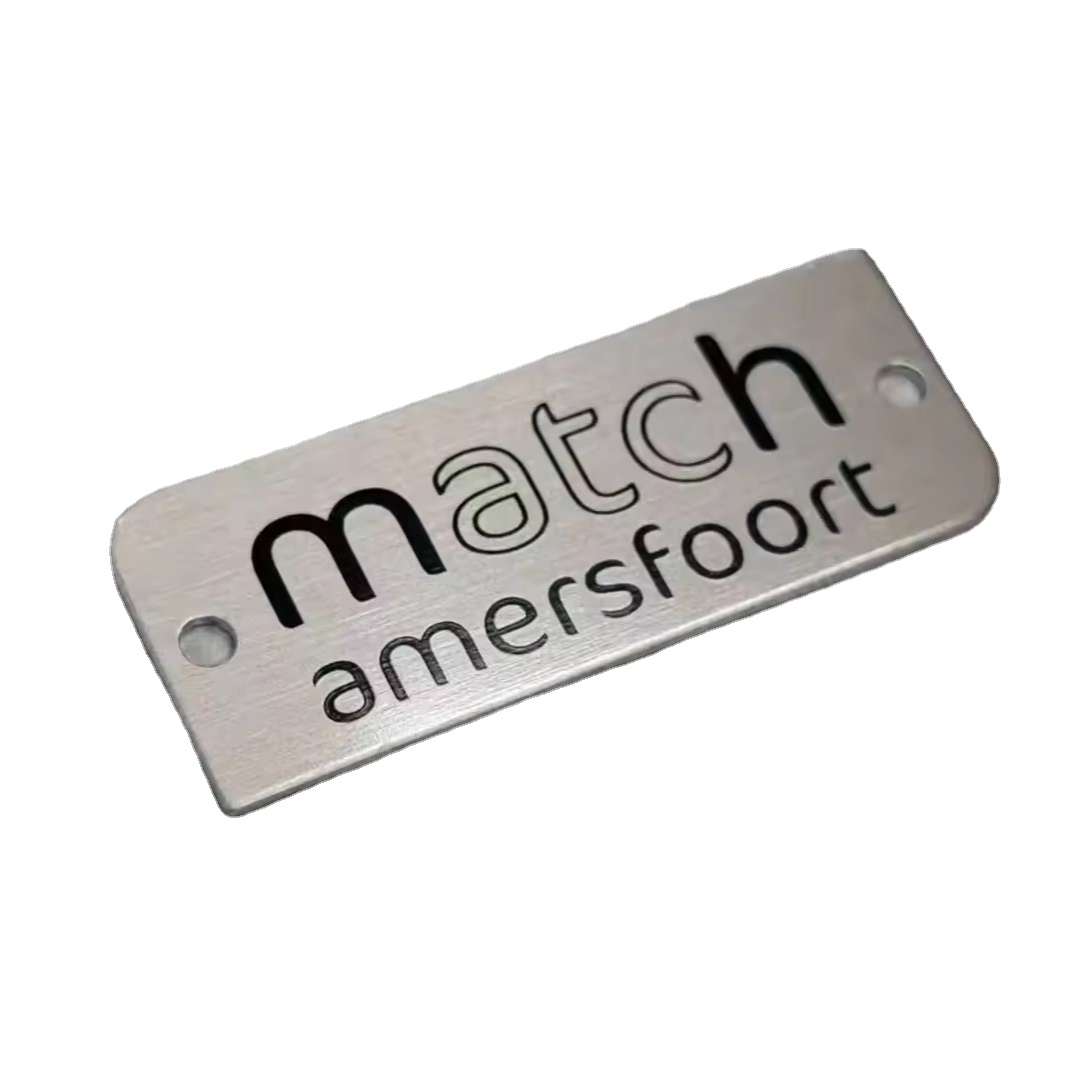
The screen frame is usually made of lightweight, sturdy aluminum or wood, designed to stretch mesh tightly and evenly. The mesh is the core carrier of the printing stencil. Early silk screen printing used pure silk mesh, while modern versions adopt high-tension polyester mesh with different pore sizes. Different mesh densities control ink laydown and print precision, making it suitable for fine text or large-area solid color printing.
1.2 Custom Stencil
The stencil is the design template that defines print patterns, and it is the most critical part of silk screen printing. It is created by coating the mesh with photosensitive emulsion, exposing it to UV light with a design film, and washing away unexposed emulsion to form open printing areas. The stencil precisely separates printable and non-printable zones on the screen.
1.3 Squeegee
A squeegee is a rubber or polyurethane blade tool used to spread and press ink across the screen mesh. When pulled evenly over the screen, it forces ink through the open stencil areas onto the target surface, ensuring uniform ink coverage and smooth print texture.
1.4 Specialized Printing Ink
Silk screen printing uses thick, high-viscosity inks different from regular digital printing inks. These inks adhere strongly to substrates, resist fading, and form a durable color layer on the material surface. Common types include water-based ink, plastisol ink, and UV-curable ink for different application scenarios.
2. How Silk Screen Printing Works & Key Benefits
Understanding the complete workflow further clarifies what is silk screen printing and why it stands out from other printing methods. The standard silk screen printing process includes six key steps, suitable for both small-batch custom production and large-scale industrial manufacturing.
2.1 Step-by-Step Silk Screen Printing Process
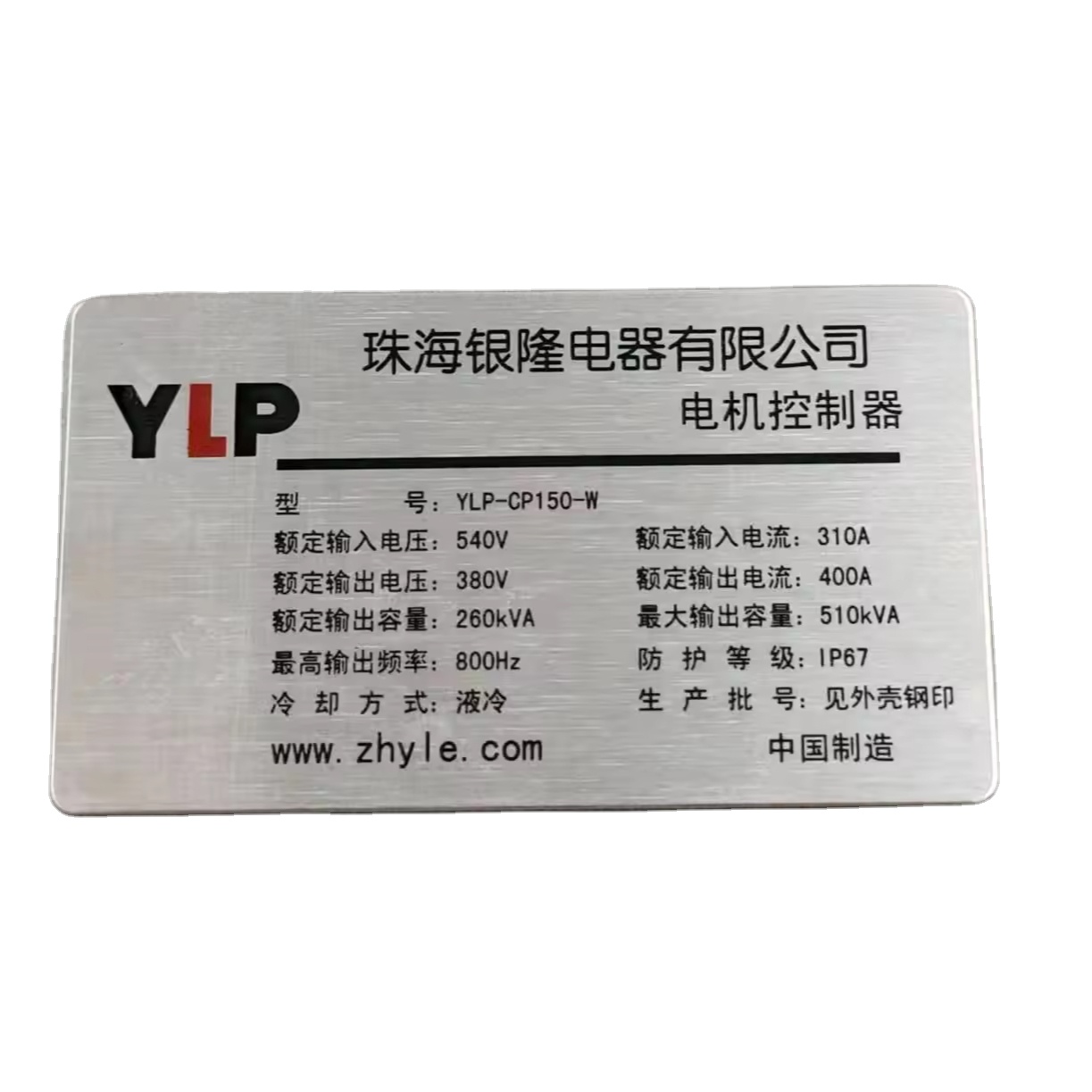
Screen Preparation and Cleaning: First, clean the mesh screen thoroughly to remove dust, oil, and residual ink to ensure the stencil adheres firmly. A clean screen is the basis for clear, defect-free printing patterns.
Emulsion Coating and Drying: Coat a uniform layer of photosensitive emulsion on the clean mesh screen and place it in a dark environment to dry completely. This emulsion layer will form the stencil after UV exposure.
UV Exposure and Stencil Formation: Place the pre-made design film on the dried screen and expose it to UV light. The emulsion in light-exposed areas hardens, while the emulsion under the design pattern blocks remains soft. Rinse the screen with water to wash away the soft emulsion, forming hollow open stencil areas matching the design.
Ink Application and Printing: Fix the processed screen on the printing machine, place the target substrate flat under the screen, pour ink on the screen surface, and use a squeegee to scrape evenly. The ink penetrates the open mesh areas and transfers the design onto the substrate.
Drying and Curing: After printing, dry the product naturally or use a heat curing machine to fix the ink layer. This step prevents ink falling off, improves friction resistance and color fastness, and enhances print durability.
Screen Cleaning for Reuse: After batch printing, clean the screen thoroughly to remove residual ink and emulsion. Qualified screens can be reused multiple times, greatly reducing production costs.
2.2 Core Advantages of Silk Screen Printing
The unique advantages of silk screen printing explain why it remains popular after hundreds of years. Compared with digital printing, heat transfer, and offset printing, it has irreplaceable core strengths.
Exceptional Durability and Color Fastness: Silk screen printing ink forms a thick, tight bond with the substrate surface, instead of a superficial coating. Printed patterns resist repeated washing, friction, sunlight exposure, and fading, making it ideal for long-term use products like clothing, outdoor banners, and electronic product logos.
Vivid, High-Saturation Colors: Thanks to high-viscosity thick ink, silk screen printing presents fuller, brighter, and more uniform colors. It perfectly displays solid color blocks and high-contrast designs without color deviation or faint printing problems common in digital printing.
Strong Substrate Compatibility: This is one of the biggest advantages of silk screen printing. It is not limited to flat paper and fabric, and can adapt to diverse substrates including plastic, metal, glass, ceramic, wood, leather, and curved three-dimensional surfaces. It covers almost all common printing materials in the industry.
Cost-Effective for Bulk Production: Although the screen making process has a fixed initial cost, the unit printing cost drops significantly in mass production. For large-batch customized products, silk screen printing has much higher cost performance than digital printing with no plate fee.
3. Common Applications & Printing Method Comparison
Based on its advantages, silk screen printing is widely used in multiple industries. Mastering its application scenarios helps further define what is silk screen printing in practical industrial and commercial use.
3.1 Main Applications of Silk Screen Printing
Apparel and Textile Printing: It is the mainstream printing method for custom T-shirts, hoodies, canvas bags, hats, and sportswear. The printed patterns are soft, breathable, and washable, meeting daily wear and commercial customized needs.
Advertising and Promotional Products: Outdoor banners, posters, stickers, signage, and promotional gifts all adopt silk screen printing. Its outdoor weather resistance ensures clear display of advertising information for a long time.
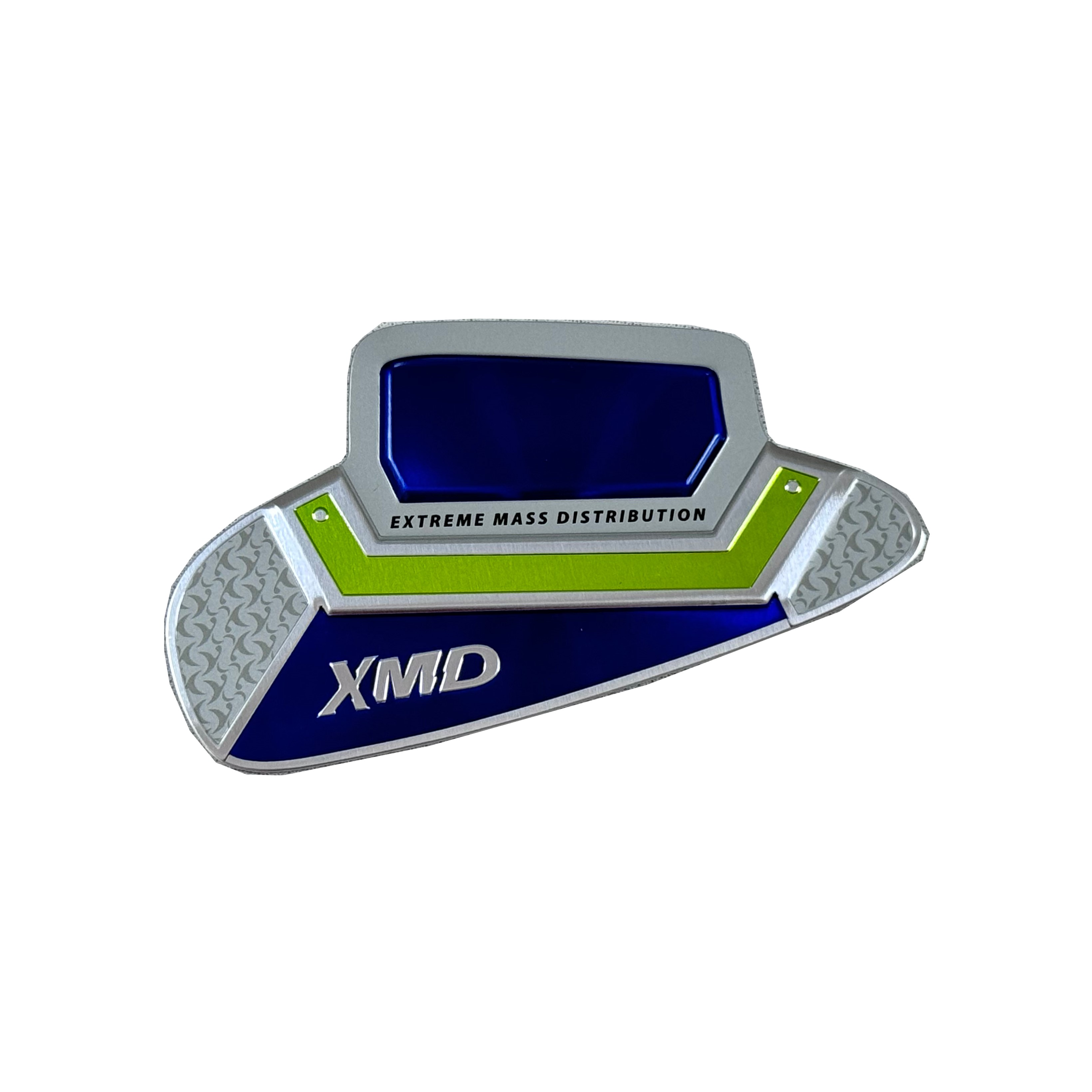
Industrial and Electronic Printing: Electronic circuit boards, keyboard characters, home appliance logos, and plastic shell patterns all rely on precise silk screen printing to realize high-precision and wear-resistant marking.
Fine Art Creation: Also named serigraphy in the art field, silk screen printing is a common creation method for pop art and modern fine art. Many artists use it to create limited-edition art prints with uniform color layers and strong texture.
3.2 Silk Screen Printing vs. Digital Printing
Many people confuse silk screen printing with digital printing. The following comparison clearly distinguishes the two, helping users accurately graspwhat is silk screen printing and its unique positioning.
Production Cost: Silk screen printing requires plate making, with high single small-batch cost and low bulk unit cost. Digital printing has no plate fee, suitable for personalized small-batch customization with high single-piece cost for large batches.
Print Quality and Durability: Silk screen printing has thick ink layers, full colors, and strong wear resistance. Digital printing has thin ink layers, delicate details, but poor durability and easy fading after long-term use.
Production Efficiency: Silk screen printing has slow early plate making speed and fast mass production speed. Digital printing supports instant printing with no preparation time, but low efficiency for large orders.
4. FAQs & Final Conclusion
4.1 Frequently Asked Questions
Is silk screen printing the same as screen printing? Yes. The two terms refer to the exact same printing technology. “Silk screen printing” is the traditional name derived from early silk mesh materials, while “screen printing” is the modern simplified industry term.
How long does silk screen printing last? With high-quality ink and standard curing process, silk screen printed patterns can maintain bright colors and complete outlines for years, even with frequent washing and outdoor exposure.
Can silk screen printing realize gradient colors? Traditional silk screen printing is good at solid color blocks. Modern precision screen printing technology can realize simple gradient effects, while complex multi-color gradients are more suitable for matching with digital printing.
4.2 Final Thoughts
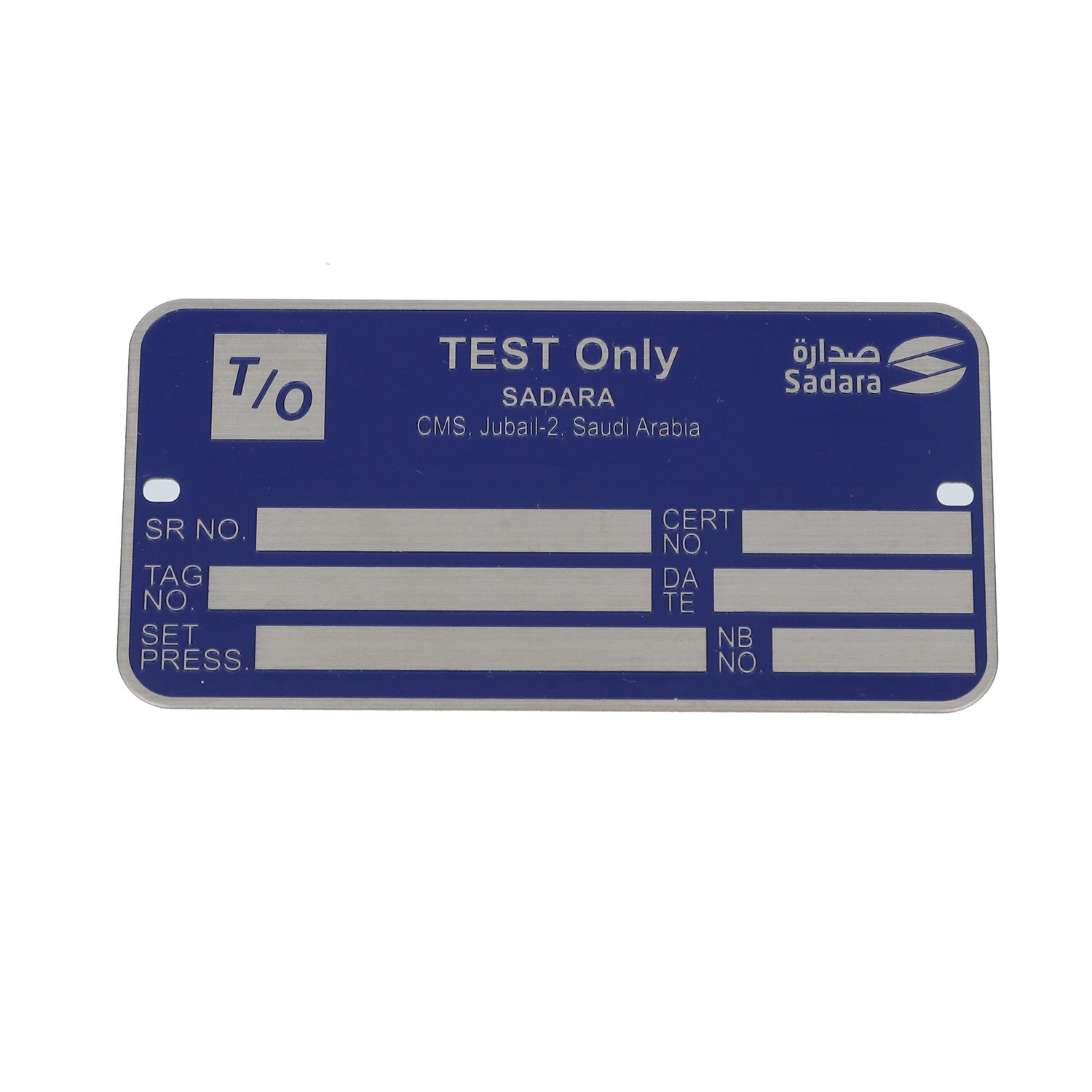
In short, what is silk screen printing? It is a durable, versatile, and cost-effective stencil printing technology that transfers ink through mesh screen stencils to form high-quality printed designs. With a development history of hundreds of years, it still occupies an irreplaceable position in apparel customization, advertising production, industrial manufacturing, and art creation due to its unique advantages of bright color, strong durability, and wide material adaptability. Whether for small-batch personalized customization or large-scale industrial production, silk screen printing remains one of the most reliable printing solutions in the modern industry.
what is laser engraving
how to make brass name plates
Related Article

Laser cutting is one of the most precise manufacturing methods available today — used everywhere from metal nameplates and signage to automotive parts and jewelry. But how does a laser cutter work?
how does a laser cutter work

