what material is abs
What Material Is ABS? Complete Guide to ABS Plastic Properties & Uses
- 1. What Material Is ABS? Basic Definition & Core Composition
- 1.1 Chemical Composition of ABS Material
- 2. Key Physical & Chemical Properties of ABS Material
- 2.1 Outstanding Mechanical Properties
- 2.2 Excellent Processing Performance
- 2.3 Stable Chemical & Thermal Resistance
- 2.4 Basic Appearance Characteristics
- 3. Core Advantages That Make ABS Material Popular
- 3.1 Balanced Comprehensive Performance
- 3.2 High Cost Performance
- 3.3 Strong Customization & Compatibility
- 4. Main Applications of ABS Material
- 4.1 Electronic & Electrical Industry
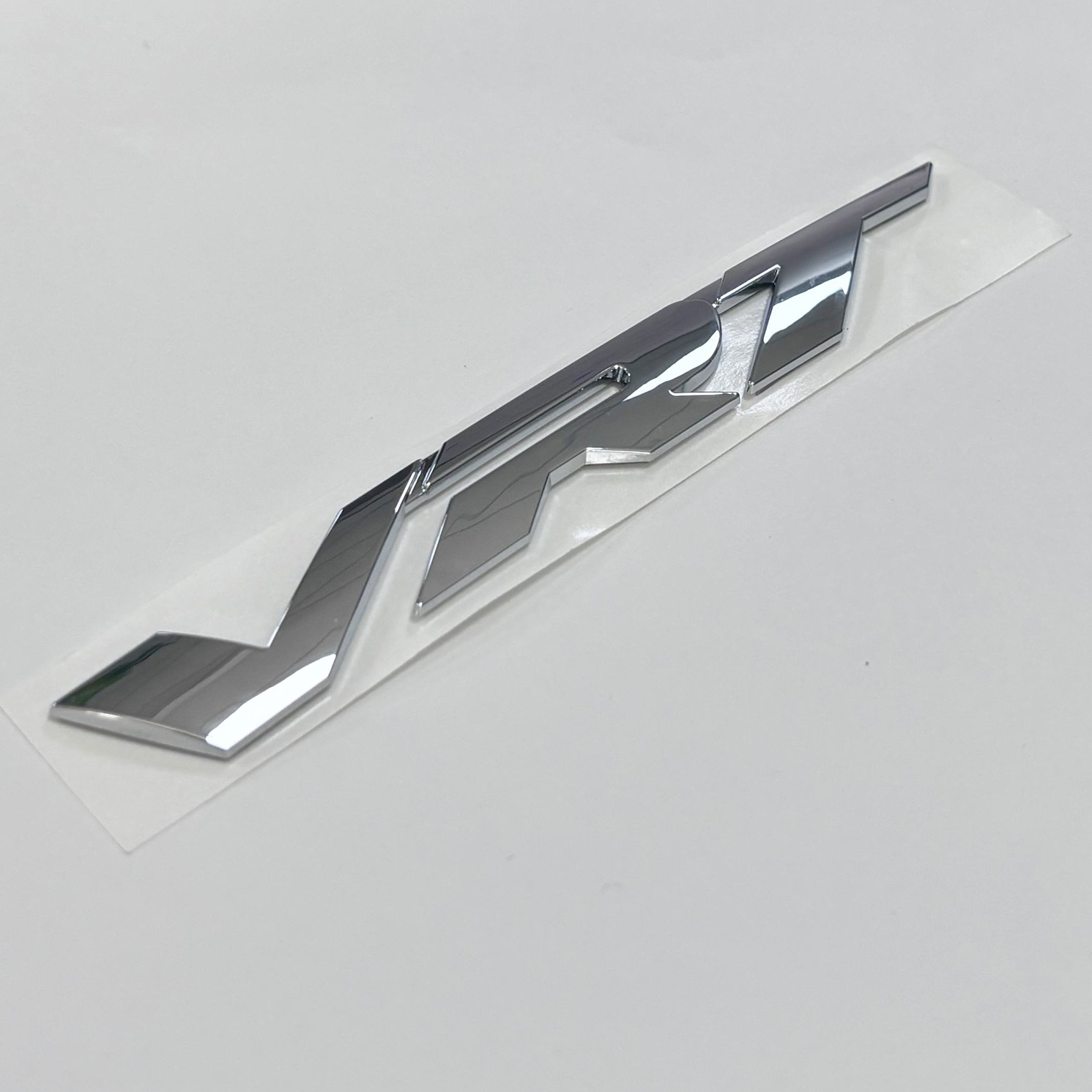
- 4.2 Automotive Industry
- 4.3 Daily Necessities & Toys
- 4.4 Industrial & Construction Fields
- 5. Limitations of ABS Material & Improvement Solutions
- 6. FAQ About ABS Material
- 7. Final Conclusion
1. What Material Is ABS? Basic Definition & Core Composition
If you are searching for what material is ABS, you are looking to understand one of the most widely used thermoplastic engineering materials in the manufacturing industry. ABS, fully known as Acrylonitrile Butadiene Styrene, is a high-performance ternary copolymer synthesized by three chemical monomers through graft copolymerization and blending processes. It belongs to the thermoplastic polymer family, featuring adjustable formulas, stable physical properties, and excellent processability, making it a mainstream plastic material for industrial and daily consumer products.
To simply answer what material is ABS: it is a versatile, cost-effective thermoplastic engineering plastic that combines the strengths of three different monomers to achieve balanced rigidity, toughness, and moldability. Unlike single-component plastics, ABS integrates the advantages of acrylonitrile, butadiene, and styrene, avoiding the single performance defects of traditional plastic materials.
1.1 Chemical Composition of ABS Material
The unique performance of ABS material entirely comes from its three core monomers, each undertaking an independent functional role. The proportion of each component can be adjusted according to product demands to customize material performance:
- Acrylonitrile (A): Provides high hardness, structural rigidity, heat resistance, and chemical corrosion resistance. It enables ABS materials to resist erosion from daily chemicals, oils, and weak acids, ensuring long-term structural stability of products.
- Butadiene (B): Endows ABS with excellent toughness and impact resistance. This component allows ABS products to withstand collisions, drops, and mechanical shocks without easy cracking or deformation, greatly improving product durability.
- Styrene (S): Optimizes material fluidity, surface gloss, and processability. It makes ABS easy to mold, shape, and post-process, while enabling smooth, beautiful product surfaces that support coloring, printing, and electroplating.

2. Key Physical & Chemical Properties of ABS Material
After clarifying what material is ABS, it is essential to master its core properties, which are the fundamental reasons for its wide industrial application. ABS material has comprehensive balanced performance, with no obvious shortcomings in rigidity, toughness, and processability, far superior to ordinary general plastics.
2.1 Outstanding Mechanical Properties
ABS material features high strength, good toughness, and strong impact resistance. It maintains stable mechanical performance at room and low temperatures, not prone to brittle fracture. Its molding shrinkage rate is extremely low, ensuring high dimensional accuracy of molded products, which is suitable for manufacturing precision structural parts with strict size requirements.
2.2 Excellent Processing Performance
As a typical thermoplastic material, ABS has a moderate melting point and good thermal fluidity. It supports multiple processing methods including injection molding, extrusion, blow molding, and 3D printing. In addition, ABS materials are easy to cut, drill, polish, and bond, and can undergo secondary processing such as surface spraying, laser engraving, and electroplating to enrich product appearance and functionality.
2.3 Stable Chemical & Thermal Resistance
ABS has good resistance to daily chemicals, water, oils, and weak acid and alkali solutions, not easy to corrode and age. Its long-term service temperature ranges from -20°C to 80°C, adapting to most indoor and daily working environments. Meanwhile, it has good insulation properties, meeting the safety requirements of electronic and electrical products.
2.4 Basic Appearance Characteristics
Pure ABS material is milky white granular or bead-like opaque resin. It can be made into products of various colors through color matching, with smooth surface, high gloss, and good texture, which is both beautiful and practical.
3. Core Advantages That Make ABS Material Popular
Many manufacturers choose ABS material precisely because it solves the performance bottlenecks of single plastics. Summarizing the advantages can further deepen the understanding of what material is ABS and its industrial value.
3.1 Balanced Comprehensive Performance
Most plastics either have high hardness but poor toughness or good flexibility but insufficient rigidity. ABS perfectly balances hardness, toughness, and rigidity, with overall performance far more stable than ordinary plastics.
3.2 High Cost Performance
Compared with high-end engineering plastics such as PC and nylon, ABS has lower raw material and processing costs, while maintaining excellent comprehensive performance. It is the most cost-effective choice for mass production of civil and industrial products.
3.3 Strong Customization & Compatibility
By adjusting the proportion of the three monomers or blending with other materials, ABS can be modified into flame-retardant, high-temperature resistant, high-toughness, and low-temperature resistant grades, applicable to diversified industrial scenarios.
4. Main Applications of ABS Material
With a clear answer to what material is ABS, we can easily understand its wide application scenarios. ABS is known as the "king of general engineering plastics", covering electronics, home appliances, automobiles, daily necessities, and industrial manufacturing fields.
4.1 Electronic & Electrical Industry
ABS’s good insulation, impact resistance, and molding accuracy make it the preferred material for electronic casings. Common products include TV shells, computer keyboards, mouse shells, power adapters, and small household appliance casings, ensuring product safety and structural stability.
4.2 Automotive Industry
In automobile manufacturing, ABS is widely used for interior and exterior parts, including instrument panels, door panels, bumper accessories, car interior trim, and housing parts of automotive electronic components. Its lightweight feature also helps reduce vehicle energy consumption.
4.3 Daily Necessities & Toys
Classic products such as building block toys are made of ABS material, which is non-toxic, durable, drop-resistant, and not easy to deform. In addition, luggage shells, cosmetic boxes, stationery, and daily plastic decorative parts are mostly made of ABS.
4.4 Industrial & Construction Fields
ABS pipes, fittings, industrial equipment casings, and mechanical structural parts all adopt ABS materials, relying on its corrosion resistance, dimensional stability, and mechanical strength to adapt to long-term industrial use scenarios.

5. Limitations of ABS Material & Improvement Solutions
To fully answer what material is ABS, we need to objectively understand its limitations. ABS material has poor UV resistance and is prone to aging and yellowing after long-term outdoor exposure. Meanwhile, its high-temperature resistance is limited, and it cannot be used in high-temperature environments above 90°C for a long time.
At present, the industry solves these problems through modification technologies: adding UV stabilizers to improve outdoor aging resistance, blending with high-temperature resistant materials to enhance heat resistance, and adding flame retardants to produce flame-retardant ABS for electrical and fire-proof scenarios.
6. FAQ About ABS Material
6.1 Is ABS material plastic?
Yes. ABS is a high-grade thermoplastic engineering plastic, different from ordinary low-performance civilian plastics. It has higher strength, better toughness, and wider application range.
6.2 Is ABS material durable?
Absolutely. ABS has excellent impact resistance, corrosion resistance, and structural stability. Qualified ABS products can maintain complete performance for many years without deformation or damage.
6.3 Is ABS material eco-friendly and safe?
Food-grade and environmental-grade ABS materials are non-toxic, odorless, and meet international safety standards, which can be used for toy and daily contact products. Industrial-grade ABS needs to avoid long-term direct contact with food.
7. Final Conclusion
In short, what material is ABS? It is a high-performance ternary copolymer thermoplastic engineering plastic composed of acrylonitrile, butadiene, and styrene. It integrates rigidity, toughness, glossiness, and easy processability, with balanced performance, low cost, and strong practicability. It is one of the most indispensable and widely used plastic materials in modern manufacturing, covering almost all civil and conventional industrial production fields. With continuous modification and upgrading of technology, ABS materials will have broader application prospects in more high-precision industrial fields.
what is electroforming
how does a hydraulic press work
Related Article