what is a graphic overlay

What Is A Graphic Overlay? Definition, Materials & Applications
Definition of Graphic Overlay
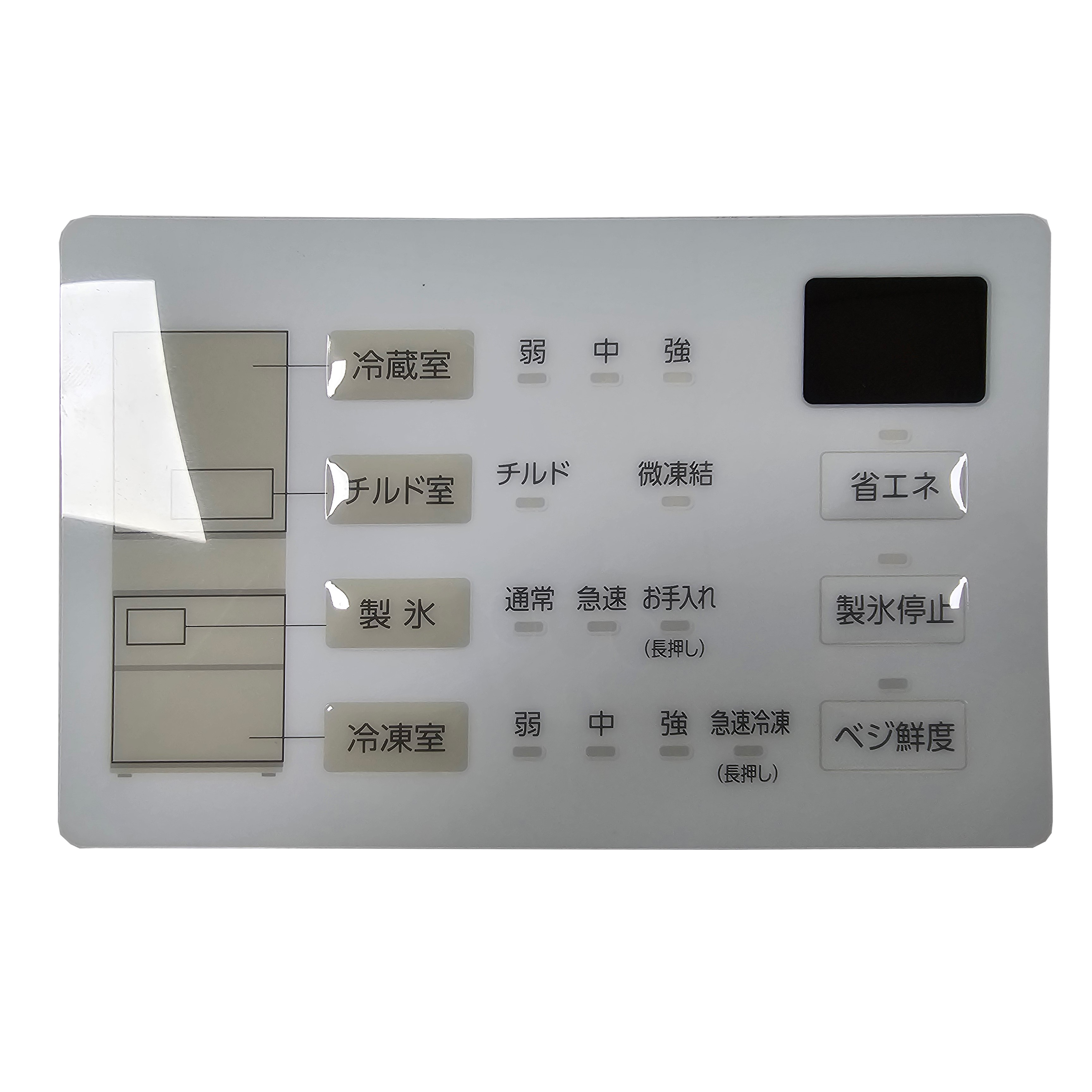
A graphic overlay is a custom printed thin film, the top user-facing layer on control panels, membrane switches or equipment surfaces. It carries icons, text, logos and brand marks, while protecting the underlying electronics from scratches, dust, moisture and chemicals. It is NOT the electrical circuit itself, only the visual & protective front face.
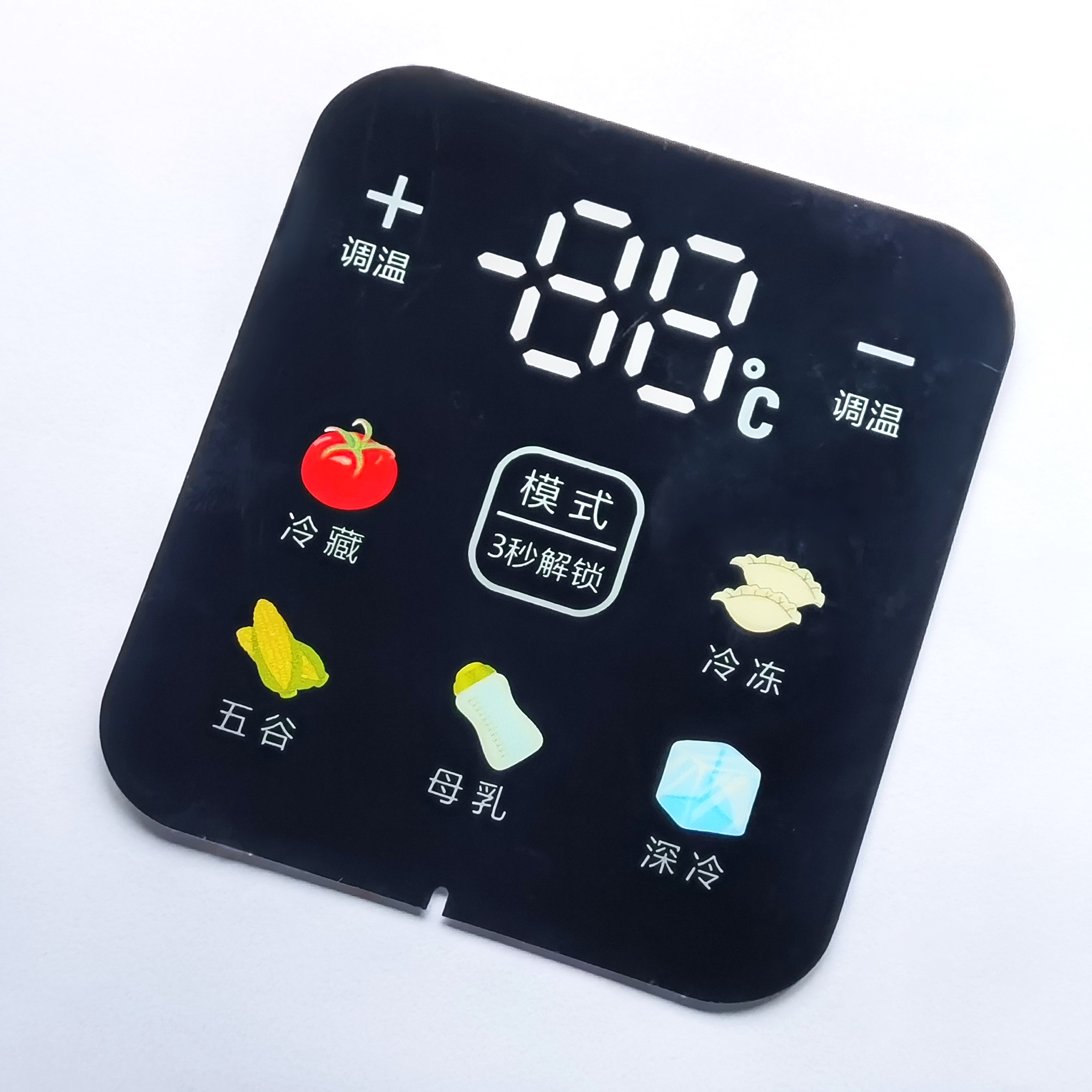
Common Materials
- PET (polyester): Offers better chemical resistance and lower cost, widely used for standard graphic overlays.
- PC (polycarbonate / Lexan): Tougher material for heavy abrasion environments, high impact resistance.
Key Features
- Back pressure-sensitive adhesive (PSA) for easy bonding
- Transparent dead-front windows for LED/displays
- Embossed buttons for tactile feel
- Hard-coat anti-scratch surface
- Custom cutouts for connectors and indicators
Typical Applications
Graphic overlays are widely used for industrial control panels, medical instruments, home appliances, fitness equipment, automotive & marine HMI, membrane keypads, equipment nameplates.
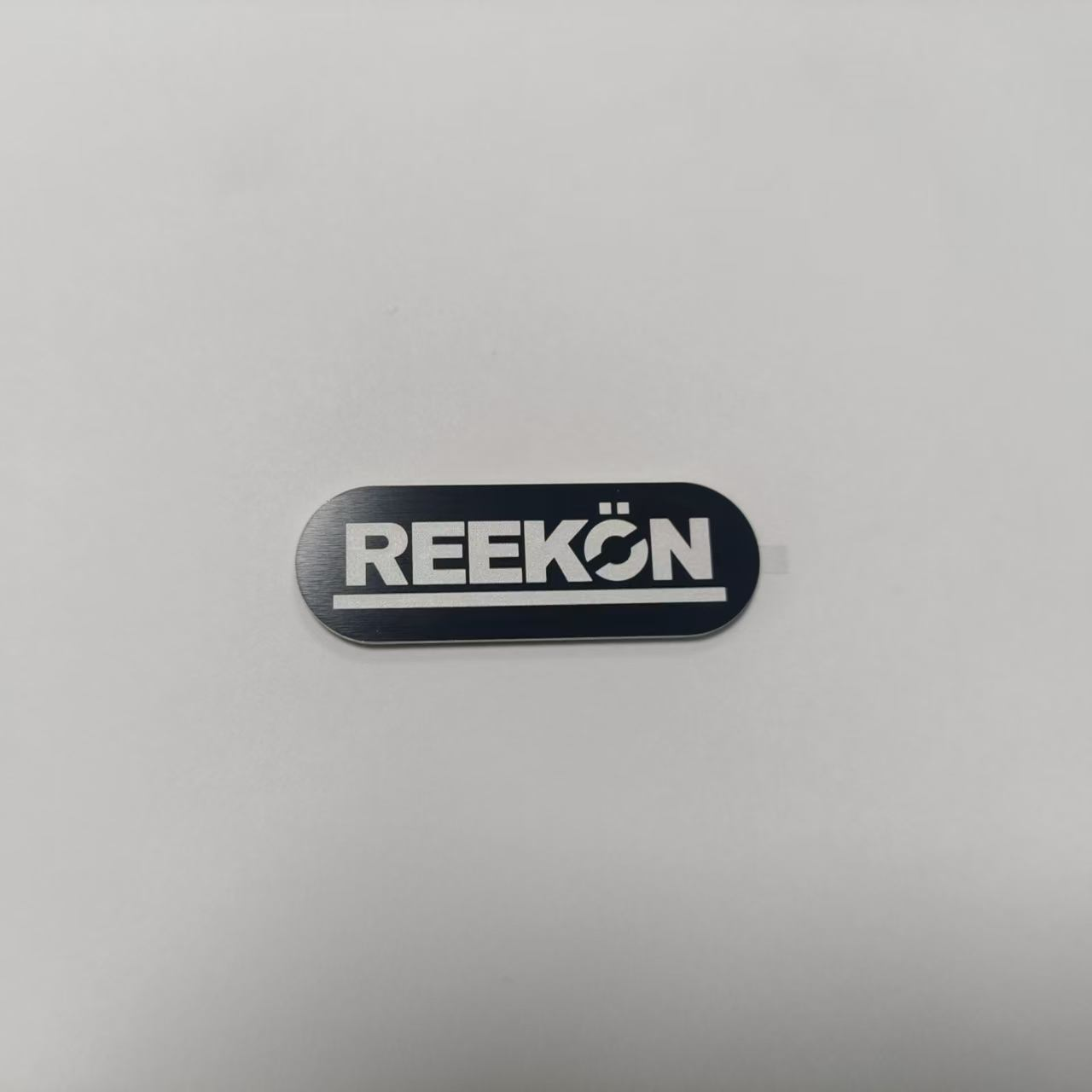
Graphic Overlay VS Metal Nameplate
- Graphic overlay: flexible plastic film, mostly for touch-control interfaces, lightweight, embossable buttons.
- Metal nameplate: rigid aluminum / stainless steel / brass, mainly for permanent ID, rating plates, harsh outdoor corrosive environments.
A graphic overlay is a custom-engineered printed film serving as the outermost interface layer for electronic and industrial equipment. Usually made of polyester (PET) or polycarbonate (PC), it displays function legends, icons, warning marks and brand logos. With pressure-sensitive adhesive on the back, it sticks onto membrane switches or control housings. It can be embossed to create tactile buttons and include clear windows for indicators or screens. Beyond visual labeling, it shields internal components against wear, liquid, dust and cleaning chemicals. While often grouped with nameplates, graphic overlays focus on interactive control surfaces, whereas metal nameplates are rigid identification tags for permanent equipment marking.
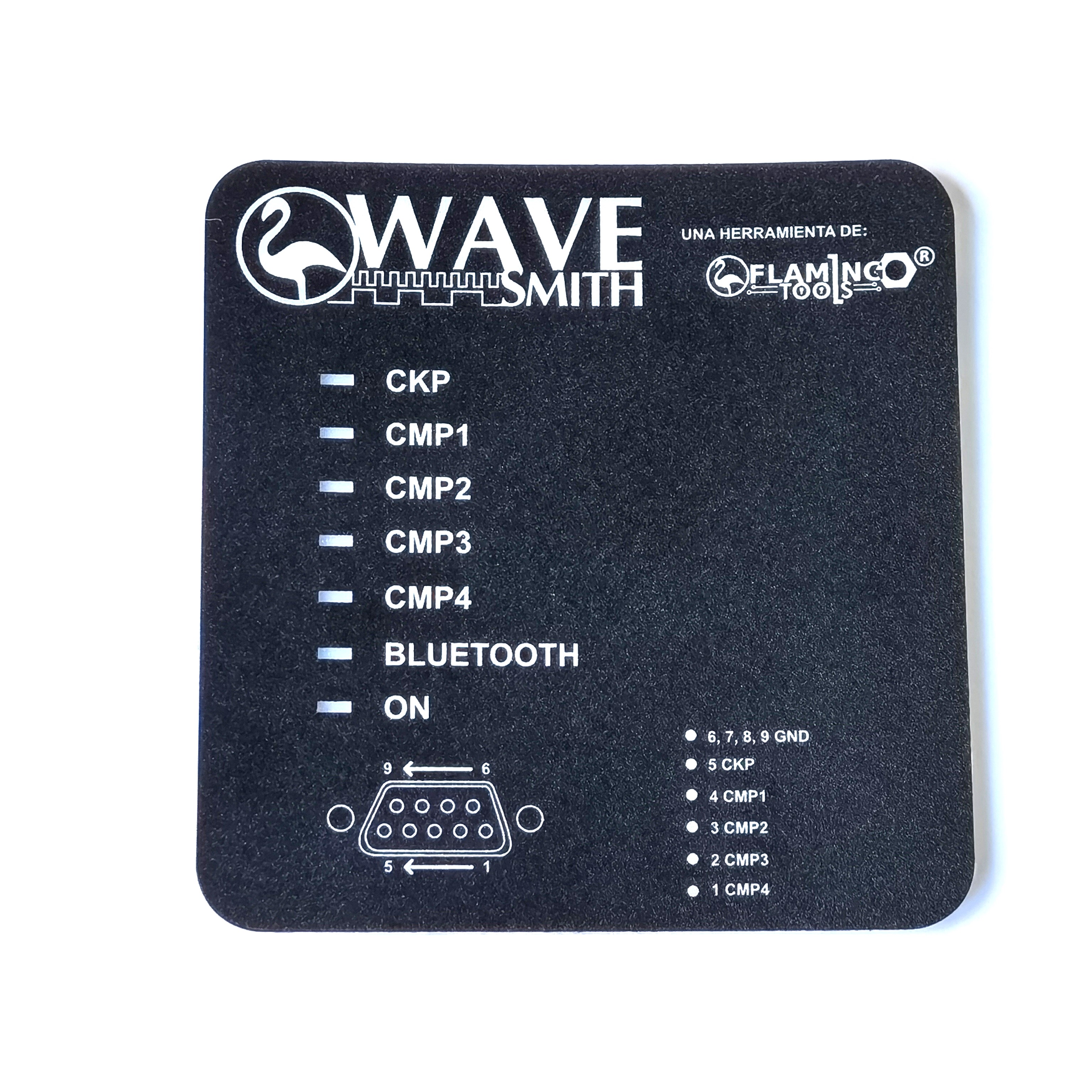
Contact our team if you need custom graphic overlays or metal nameplates for your industrial project.
where to get a plaque made
What Are Membrane Switches
Related Article