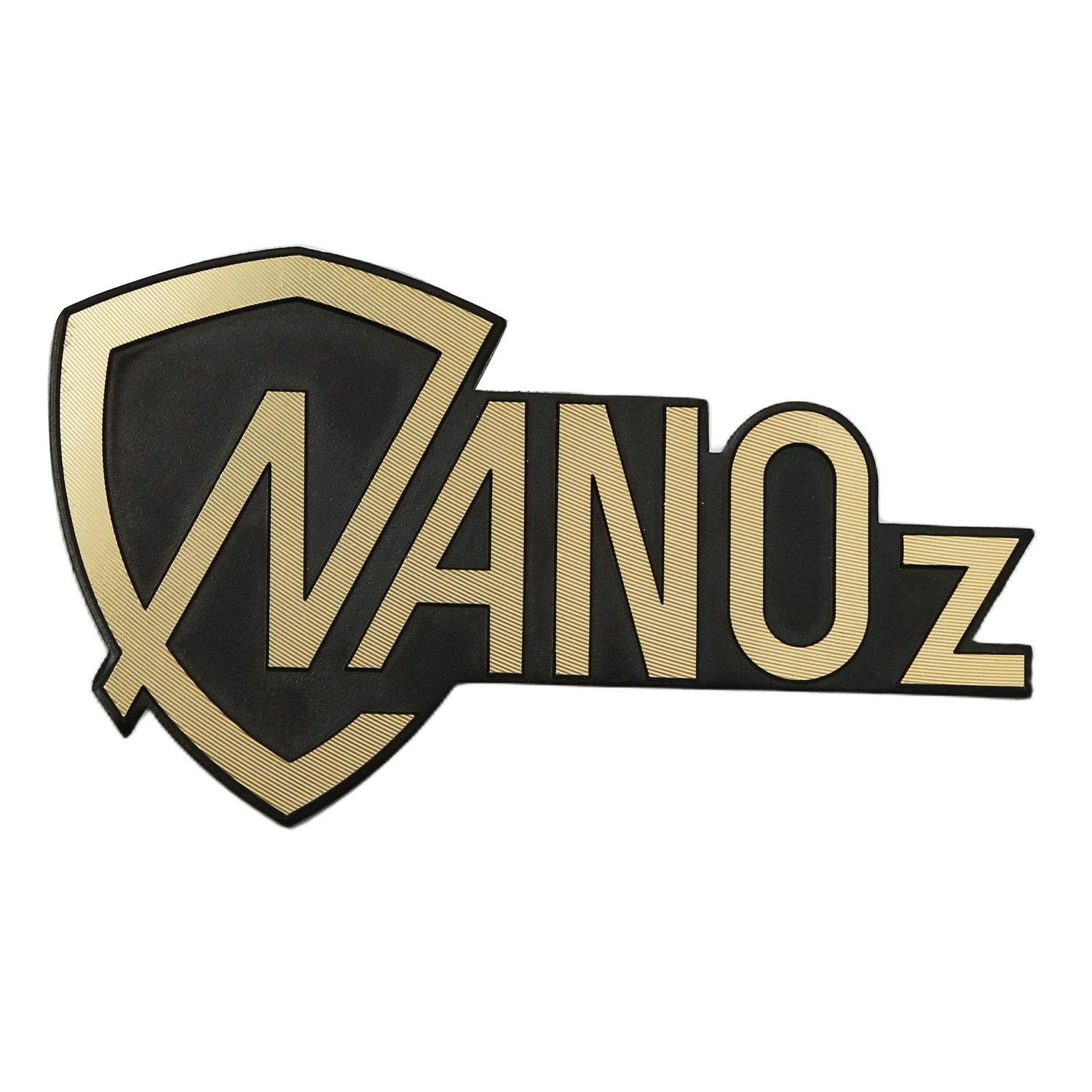
how to make metal badges
2026-07-24
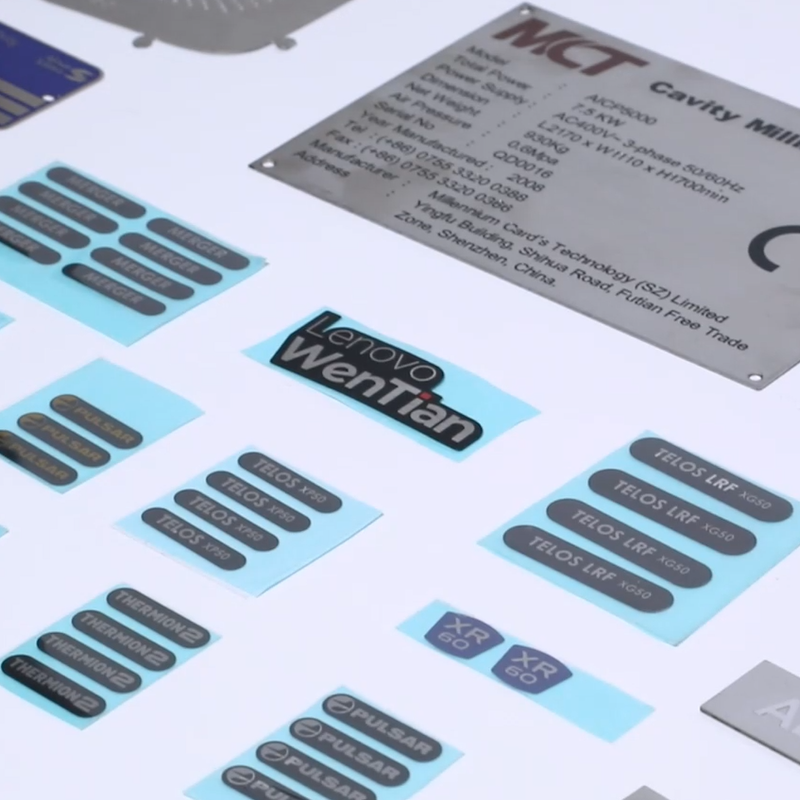
How to Make Metal Badges: Step-by-Step Manufacturing Guide
Wondering how to make metal badges for branded merchandise, corporate uniforms, event souvenirs, or custom gifts? This complete, easy-to-follow guide breaks down the entire professional manufacturing process to help you create premium, long-lasting metal badges.
1. Complete Custom Design & Pre-Production Preparation
The first and most foundational step to learn how to make metal badges is proper design planning and material selection. Careful preparation guarantees precise molding, flawless details, and a high-quality finished look.
1.1 Confirm Professional Badge Design Files
Start with high-resolution vector files containing your desired logos, texts, graphics, shapes, and exact dimensions. Simplify overly intricate details to accommodate metal stamping and color filling, ensuring excellent results for both bulk production and personalized custom orders.
1.2 Select Suitable Base Metal Materials
Pick raw materials based on your intended usage and budget. Zinc alloy is the most popular and cost-effective choice for custom metal badges. Iron works well for simple stamped designs, while brass and stainless steel are preferred for high-end, corrosion-resistant, long-term use badges.
2. Precision Mold Making & Stamping Forming Process
Mold fabrication and high-precision stamping are the core procedures of how to make metal badges, shaping the unique 3D textures, outlines, and overall structure of every custom badge.
2.1 Custom Die Mold Fabrication
Professional manufacturers craft precision metal dies strictly according to finalized design files. These custom dies define the pattern depth, concave-convex textures, and overall shape that form the unique look of each metal badge.
2.2 High-Pressure Stamping & Edge Trimming
Place prepared metal sheets on industrial stamping equipment. High-pressure extrusion presses the metal tightly against the die to form the badge’s base shape and detailed patterns. All rough edges and burrs are trimmed thoroughly for a sleek, smooth finish.
3. Premium Surface Treatment & Coloring
Professional surface finishing enhances metal badges’ texture, wear resistance, and visual appeal, serving as a vital step in how to make metal badges with outstanding durability and aesthetics.
3.1 Fine Polishing & Electroplating
All badge blanks undergo meticulous polishing to remove surface scratches and rough spots. Multiple electroplating finishes are available, including polished gold, silver, nickel, antique bronze, and matte tones to match diverse custom design styles.
3.2 Precision Color Filling & Printing
Custom colors are applied to recessed pattern grooves via three mainstream methods: hard enamel, soft enamel, and screen printing. Hard enamel delivers vibrant, fade-proof, scratch-resistant colors, while soft enamel creates distinct layered 3D textures for a premium tactile feel.
4. Hardware Assembly, Quality Inspection & Packaging
The final finishing processes refine the functionality, usability, and quality of custom metal badges before delivery.
4.1 Back Accessory Installation
Functional back hardware is installed based on customer requirements. Common options include butterfly clutches, safety pins, magnetic fasteners, and double-sided adhesive tapes for versatile wearing and mounting solutions.
4.2 Strict Full Inspection
Every finished metal badge undergoes rigorous quality checks to eliminate uneven coloring, distorted patterns, rough edges, and loose accessories. Only fully qualified products proceed to final packaging and shipping.
5. Common Types of Custom Metal Badge Crafts
Different manufacturing crafts produce completely different styles when you make metal badges. Below are the four most popular types for commercial and personal customization.
5.1 Soft Enamel Metal Badges

Budget-friendly and highly customizable, with raised metallic borders and vivid filled colors. Perfect for team logos, event giveaways, promotional gifts, and casual collectibles.
5.2 Hard Enamel Metal Badges

Featuring a smooth, flat, ultra-durable surface with rich, saturated colors. These premium badges are ideal for official honors, high-end collections, luxury brand merchandise, and formal awards.
5.3 Die Struck Metal Badges

Designed without color filling, relying entirely on embossed and debossed metal textures. Boasting a minimalist, classic look, they are widely used for corporate emblems, military insignias, and formal identity badges.
5.4 Printed Metal Badges

Capable of reproducing intricate patterns, gradient colors, and fine details. Lightweight and delicate, they are the top choice for refined personalized custom badges and detailed artistic designs.
Final Thoughts
Learning how to make metal badges covers four key stages: design and material preparation, mold stamping forming, professional surface treatment, and final assembly and quality control. Standardized manufacturing processes ensure every custom metal badge is durable, exquisitely crafted, and suitable for commercial promotion, personal collection, and official use.
what is a uv transfer sticker
how to nickel plate
Related Article

When shopping for office, hotel, school, or business branding supplies, one of the most common questions is: How much are name plates? Many people assume custom name plates are expensive, exclusive luxury items with high customization fees and complicated pricing rules
How Much Are Name Plates

Crystal clear epoxy resin is one of the most practical surface finishing materials for commercial labels, brand stickers, and metal/plastic nameplates.
Benefits of Crystal Clear Epoxy on Nameplates