metal custom signs
Metal Custom Signs: A Complete Guide to Durable, Personalized Metal Signage
- 1. Why Choose Metal Custom Signs Over Other Sign Materials
- 1.1 Key Benefits of Metal Custom Signs
- 1.2 Common Limitations to Consider
- 2. Popular Materials Used for Metal Custom Signs
- 2.1 Aluminum
- 2.1.1 Best Scenarios for Aluminum Signs
- 2.2 Stainless Steel
- 2.2.1 Best Scenarios for Stainless Steel Signs
- 2.3 Brass and Copper
- 2.3.1 Best Scenarios for Brass and Copper Signs
- 2.4 Carbon (Mild) Steel
- 2.4.1 Best Scenarios for Mild Steel Signs
- 2.5 Material Comparison at a Glance
- 3. Customization Methods for Metal Custom Signs
- 3.1 Laser Cutting
- 3.2 CNC and Laser Engraving
- 3.3 Powder Coating and Painting
- 3.4 3D Raised and Layered Metal Signs
- 4. Top Use Cases for Metal Custom Signs
- 4.1 Business and Commercial Use
- 4.2 Home and Residential Use
- 4.3 Industrial and Workshop Use
- 5. Tips Before You Order Your Metal Custom Signs
- 5.1 Confirm Size, Viewing Distance, and Font
- 5.1.1 Measure the Mounting Space First
- 5.1.2 Send Vector Artwork
- 5.2 Select Finishes and Mounting Options
- 5.3 Verify the Proof Before Production
- 6. How to Maintain Metal Custom Signs
- 7. Final Thoughts
If you are shopping for metal custom signs, you already know they stand apart from plastic, vinyl, and wooden alternatives. A well-made metal sign carries a solid, premium feel, holds sharp detail for years, and looks equally at home on a storefront, a front door, a factory machine, or a home workshop. Unlike temporary printed signage, quality metal custom signs resist fading, scratching, and weather, indoors or outdoors.
This guide walks through why buyers choose metal, the most common materials, the fabrication methods that turn your artwork into a finished sign, typical use cases, and the practical checks that help you order the right piece the first time.
1. Why Choose Metal Custom Signs Over Other Sign Materials
Before comparing designs and suppliers, it helps to understand where metal custom signs outperform other materials—and where they fall short. Every substrate has trade-offs, but metal wins when long-term durability and a substantial visual impression matter most.
1.1 Key Benefits of Metal Custom Signs
Outstanding durability. Grade-appropriate metal custom signs withstand rain, UV sunlight, temperature swings, and light abrasion. Proper finishes prevent rust and color fading, so the sign keeps its appearance for years rather than months.
A premium brand impression. Metal conveys weight, quality, and permanence. Custom logos, engraved text, and cut-out patterns read as far more substantial than thin vinyl decals or flimsy plastic plaques.
Flexible personalization. You control the shape, size, text, graphics, font, and finish. Simple rectangular plates, intricate laser-cut artwork, and layered 3D raised lettering are all achievable on metal custom signs.
Broad application range. The same material family works for commercial storefronts, office walls, farm gates, home entryways, and factory equipment marking.
1.2 Common Limitations to Consider
Metal custom signs are not always the cheapest option, and they are not the right choice for every project. Large or thick signs are heavier and need secure mounting hardware. Raw carbon steel develops a rust patina over time without a protective coating—a desired rustic look for some buyers, but unsuitable for clean, modern branding. Finally, detailed artwork on thin or dark metal can cost more to cut or engrave than a simple printed alternative.
2. Popular Materials Used for Metal Custom Signs
Material choice is the foundation of every metal custom sign. Each metal differs in weight, corrosion resistance, price, and aesthetic character, and the right pick depends on where the sign will live and how it should look.
2.1 Aluminum
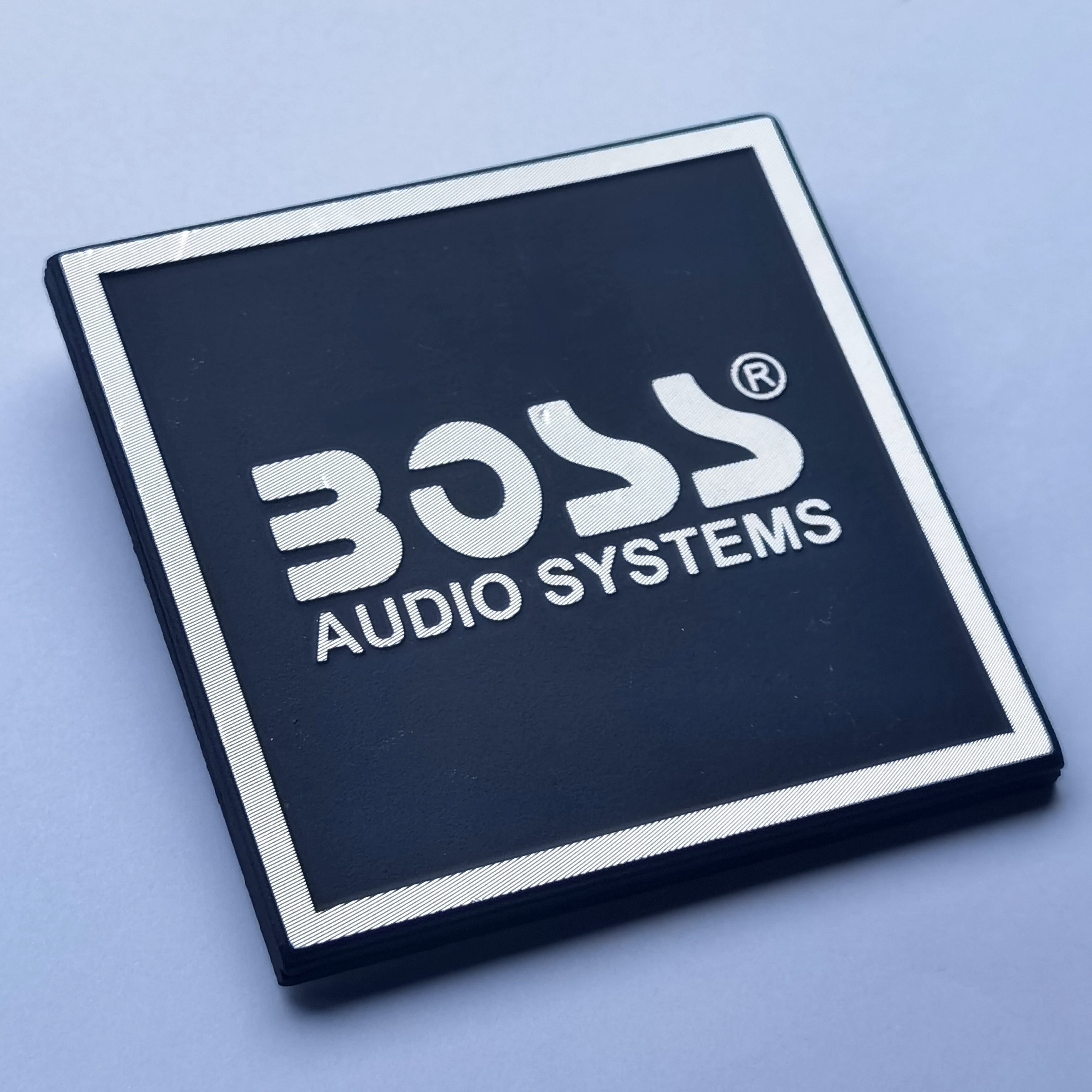
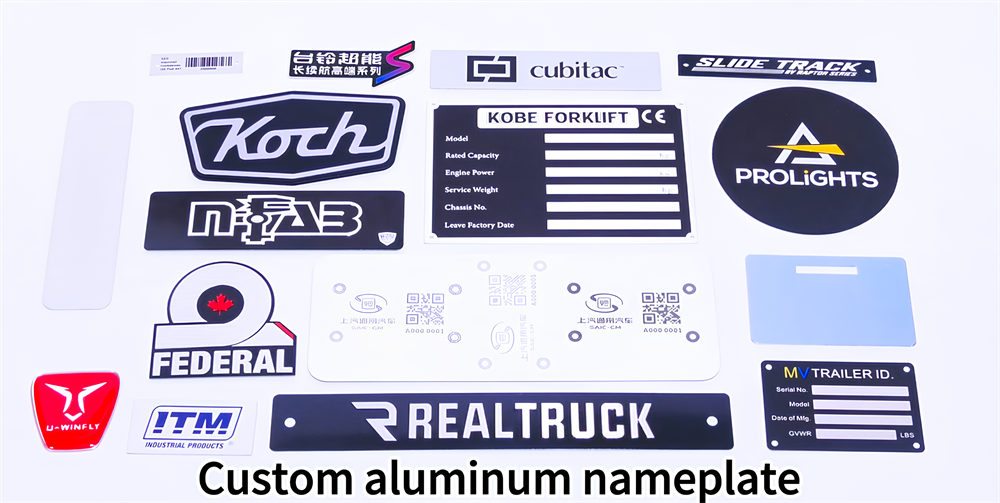
Aluminum is the most widely selected material for metal custom signs, and the industry standard for most commercial and residential outdoor signage. It is naturally rust-proof because it forms a protective oxide layer on the surface, and it weighs roughly one-third as much as steel, which lowers shipping costs and makes wall mounting easier. It cuts cleanly, takes a brushed finish well, and accepts powder coating in a wide range of matte or glossy colors.
2.1.1 Best Scenarios for Aluminum Signs
Outdoor commercial signage
Storefront panels, address plaques, and directional signs benefit from aluminum's light weight and natural corrosion resistance, even in damp or coastal air.
Budget-friendly office and indoor signs
Door nameplates, reception wall logos, and room markers look clean and professional in brushed or powder-coated aluminum without a high material cost.
2.2 Stainless Steel
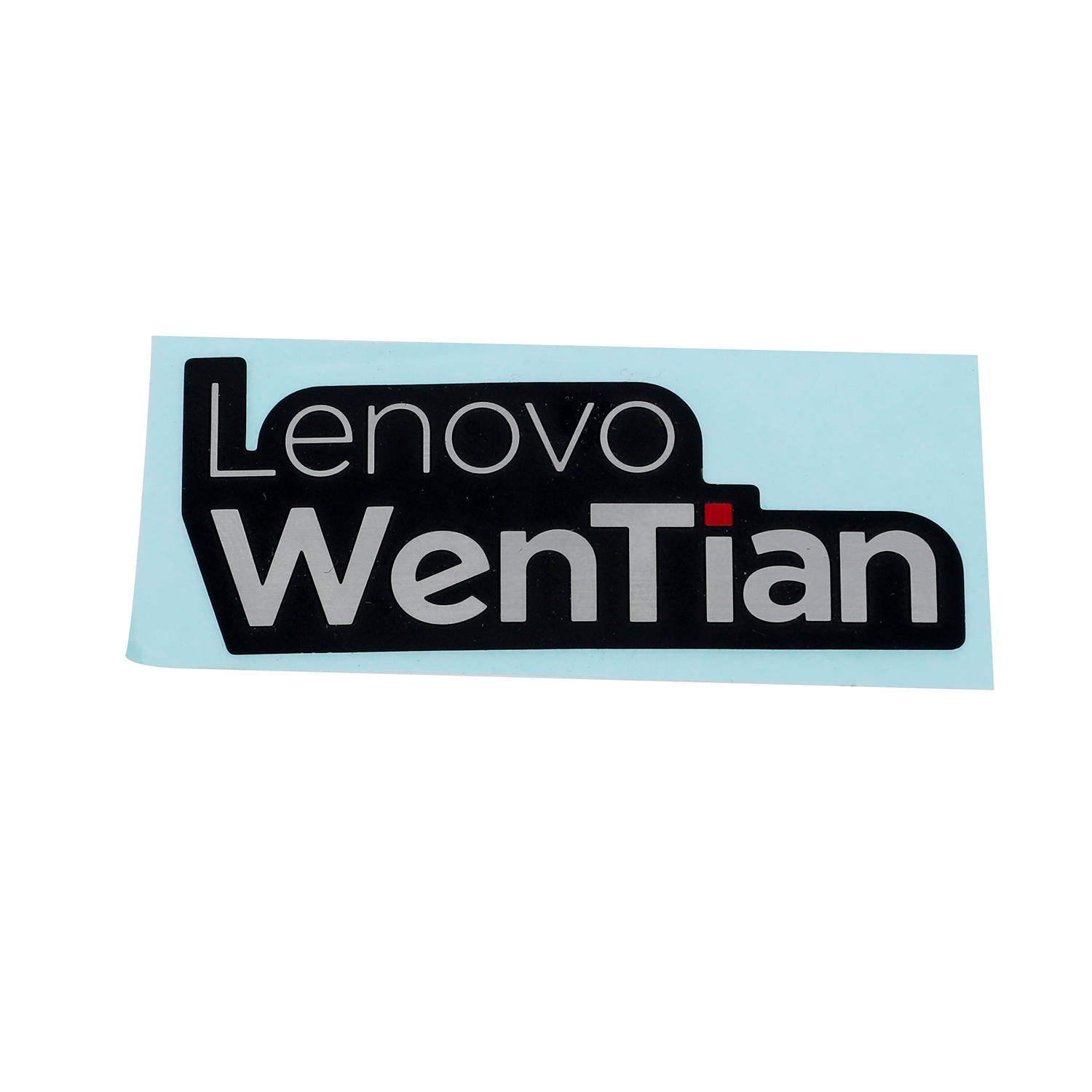
Stainless steel delivers a sleek, cool silver appearance and excellent corrosion resistance thanks to its chromium content. Standard 304 grade suits most indoor and sheltered outdoor locations; grade 316 offers superior resistance for coastal areas exposed to salt spray. Brushed stainless steel metal custom signs are a popular choice for modern cafes, lobbies, and clean industrial environments.
2.2.1 Best Scenarios for Stainless Steel Signs
High-end interior branding
Brushed or polished stainless steel creates a refined look for reception walls, boutique interiors, and premium office signage.
Wet and coastal locations
Poolside markers, waterfront buildings, and seaside business signs hold up better in stainless steel than in plain carbon steel or untreated aluminum.
2.3 Brass and Copper
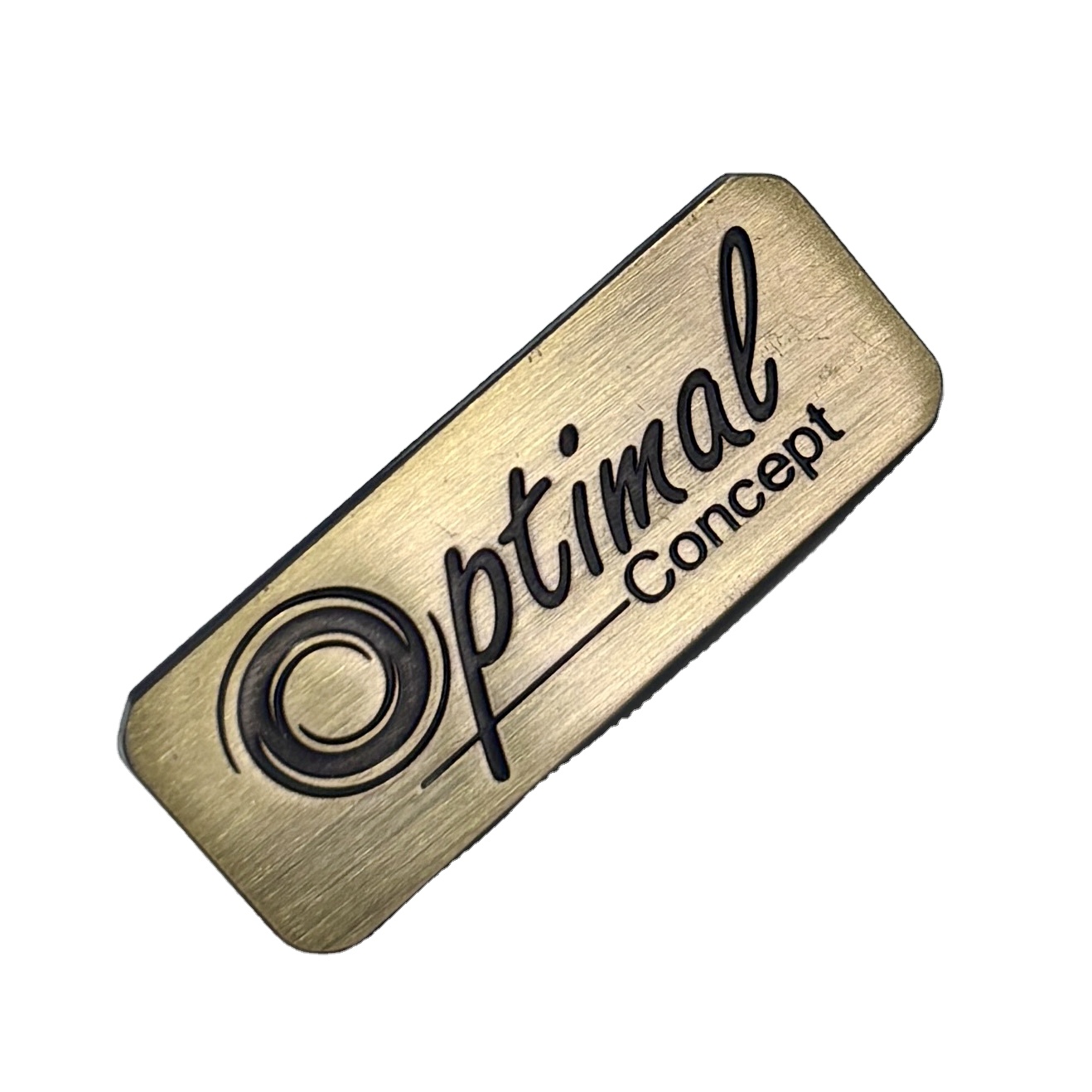
Brass and copper bring a warm, luxury tone that silver-toned metals cannot match. Over time they develop a natural patina that deepens the vintage character; buyers who prefer a bright finish can request a clear lacquer seal to slow oxidation.
2.3.1 Best Scenarios for Brass and Copper Signs
Heritage and premium settings
Reception plaques, historic building markers, and decorative wall art gain a distinguished, traditional appearance in brass or copper.
Personalized gifts and keepsakes
Engraved brass nameplates and copper anniversary pieces carry a lasting, gift-worthy feel.
2.4 Carbon (Mild) Steel
Mild steel is strong, affordable, and ideal for large laser-cut metal custom signs. Without a coating it will gradually rust, which many buyers deliberately want for a rustic, weathered finish; for outdoor modern signage it must be painted or powder coated to prevent corrosion. Steel also tends to cost less per square foot than aluminum or stainless steel.
2.4.1 Best Scenarios for Mild Steel Signs
Rustic and industrial decor
Farm signs, ranch gate markers, and industrial-style wall art often use raw steel so the patina becomes part of the design.
Large budget-conscious outdoor pieces
Where size and structural strength matter more than a mirror finish, coated mild steel offers a cost-effective solution.
2.5 Material Comparison at a Glance
| Material | Corrosion Resistance | Typical Look | Best Fit |
|---|---|---|---|
| Aluminum | Excellent; naturally rust-proof, light weight | Bright silver; easy to powder coat any color | Outdoor business signs, office plaques, bulk asset markers |
| Stainless steel | Very good; 316 grade for coastal salt air | Cool silver, brushed or polished | Premium interiors, wet areas, coastal signage |
| Brass / copper | Good; develops patina unless lacquered | Warm gold or reddish tone | Heritage plaques, decorative art, engraved gifts |
| Mild steel | Low; rusts outdoors without paint or powder coat | Dark industrial; rust patina when left raw | Rustic decor, large cut-out signs, budget outdoor pieces |
3. Customization Methods for Metal Custom Signs
Several fabrication techniques turn your artwork into finished metal custom signs. The method you choose affects the level of detail, the cost, and the final appearance, so it helps to know what each process can deliver.
3.1 Laser Cutting
Laser cutting slices through sheet metal to create complex outlines, logos, and hollow patterns with sharp, clean edges. It is the standard process for open-work metal custom signs—signs where the background is cut away so the wall or sky shows through. It works well for single pieces and small batches alike.
3.2 CNC and Laser Engraving
Engraving etches text or graphics into the metal surface rather than cutting through it. Engraved markings on metal custom signs are permanent and cannot peel or rub off, which makes the process ideal for industrial ID plates, safety signage, and serial-number tags. Laser engraving produces fine, consistent detail; rotary CNC engraving suits deeper, classic recessed lettering.
3.3 Powder Coating and Painting
Powder coating applies a dry paint that is baked onto the metal surface to form a tough, chip-resistant layer. Powder-coated metal custom signs hold color far better than ordinary spray paint outdoors and are available in matte, satin, or gloss finishes across a wide color range. Painting remains an option for touch-ups or custom one-off finishes.
3.4 3D Raised and Layered Metal Signs
Layered metal custom signs stack separate sheets of metal or mount raised metal letters onto a backplate to build real depth. This premium style is a popular choice for storefront logos and reception feature walls, where dimension and shadowing make the brand stand out. Multiple materials or colors can be combined within one layered piece.
4. Top Use Cases for Metal Custom Signs
Buyers source metal custom signs for both commercial and residential projects. The categories below are among the most common.
4.1 Business and Commercial Use
Storefront logo signs, reception branding, office room signs, restroom markers, warehouse safety signs, and machinery identification plates all rely on metal for legibility and long service life in high-traffic environments.
4.2 Home and Residential Use
Custom house number signs, family name plaques, gate signs, backyard wall decor, and wedding or anniversary keepsakes use metal to create a personalized piece that outlasts paper or wooden alternatives.
4.3 Industrial and Workshop Use
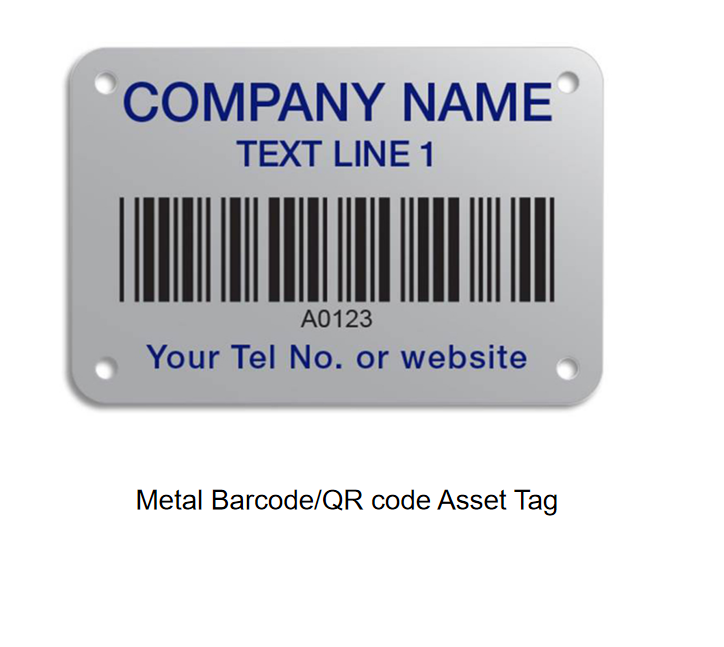
Asset labels, equipment rating plates, pipe markers, warning tags, and durable instruction plates must survive heavy wear, oil, and cleaning chemicals. Engraved or etched metal custom signs are the standard solution in these demanding settings.
5. Tips Before You Order Your Metal Custom Signs
These checks help you avoid rework, misspellings, and mismatched finishes, whether you are ordering one plaque or a full set of signs.
5.1 Confirm Size, Viewing Distance, and Font
A beautiful design fails if people cannot read it. Metal custom signs viewed from far away need bold, simple lettering and should avoid tiny fine details that may blur or break up when cut or engraved.
5.1.1 Measure the Mounting Space First
Measure the wall, gate, or door opening before selecting dimensions, and leave room for standoffs, mounting holes, or adhesive backing. A sign that looks right on a digital mockup may not fit the physical space.
5.1.2 Send Vector Artwork
Provide vector files such as AI, SVG, or PDF so the manufacturer scales your logo and text cleanly. Raster images (JPG, PNG) can pixelate when enlarged for a large sign.
5.2 Select Finishes and Mounting Options
Discuss the surface finish up front: brushed, polished, powder coated, antique, or clear sealant. Mounting choices include pre-drilled holes, standoff studs, double-sided adhesive, and bracket hangers. The mounting method should match the wall material—adhesive may not hold on textured brick, while screws require accessible backing.
5.3 Verify the Proof Before Production
Always request a digital proof of your metal custom signs before manufacturing begins. Double-check spelling, logo colors, dimensions, hole positions, and material selection. Most custom metal pieces cannot be refunded once production starts if the approved artwork contains an error.
6. How to Maintain Metal Custom Signs
With basic care, metal custom signs retain their appearance for decades:
Clean regularly with mild soap and a soft cloth; avoid abrasive scrubbers that scratch polished or coated surfaces.
For outdoor uncoated steel signs, apply a clear sealant periodically if you want to slow rust formation.
Check mounting hardware once or twice a year, especially for large signs exposed to wind and rain.
Rinse coastal signs occasionally to remove salt residue that can accelerate corrosion on lower-grade materials.
7. Final Thoughts
Metal custom signs deliver a timeless, high-impact signage solution for nearly every setting. The key is matching the right material, fabrication method, and finish to your environment: lightweight, rust-proof aluminum for general outdoor signage; brushed stainless steel for premium wet or coastal locations; warm brass and copper for heritage and decorative pieces; and coated or raw mild steel for rustic, budget-friendly large-format signs.
With careful artwork, an approved proof, and a reliable fabricator, your metal custom signs will serve as a long-lasting branding asset or a personalized decorative piece for years to come.
where can i get a nameplate
Related Article