
what is resin material
2026-08-28

What Is Resin Material? A Complete Beginner’s Guide
If you’ve ever wondered what resin material is and why it’s everywhere in modern manufacturing, art, and construction, you’re not alone. Resin is one of the most versatile polymer materials on the planet, valued for its unique ability to transform from a viscous liquid into a durable, solid substance. From epoxy artworks and jewelry to industrial coatings, automotive parts, and 3D printing components, resin material plays a vital role in countless industries. This guide breaks down everything you need to know about resin material, including its core definition, types, key properties, real-world uses, and common misconceptions.

1. Core Definition: What Exactly Is Resin Material?
At its core, resin material is a class of amorphous organic polymeric substances that exist in viscous liquid or semi-solid states at room temperature and can harden permanently through curing reactions. Unlike rigid raw materials, resin features moldability and transformability, making it a foundational material for plastics, coatings, adhesives, and composite products.
Scientifically, resin consists of long-chain monomer molecules. When exposed to chemical catalysts, UV light, heat, or moisture, these molecular chains cross-link and solidify, forming stable, high-strength solid structures. Broadly speaking, any polymer that serves as a raw material for plastic processing can be classified as resin material, which is divided into two fundamental categories: natural resin and synthetic resin.
1.1 The Fundamental Trait of Resin Material
The most defining feature of all resin materials is their reversible processing state and irreversible curing property. Before curing, resin is flexible, flowable, and easy to mix, shape, and pour. After curing, it becomes a rigid or semi-rigid solid with stable physical and chemical properties, no longer melting or dissolving easily. This unique transformation capability is what makes resin material irreplaceable in modern material science.
2. Two Main Categories of Resin Material
To fully understand what resin material is, it’s essential to distinguish its two primary types, which differ drastically in source, composition, and application scenarios.
2.1 Natural Resin Material
Natural resin is the original form of resin material, extracted directly from natural biological secretions, mainly from trees and plants. When tree bark is damaged, plants secrete sticky colloidal substances to repair wounds, which gradually harden into natural resin after air drying and oxidation.
2.1.1 Common Examples & Features
Typical natural resin materials include pine rosin, amber, shellac, and dammar resin. These materials are usually translucent, yellowish-brown, non-conductive, and soluble in organic solvents like alcohol and ether but insoluble in water. With mild chemical stability, natural resins are widely used in traditional varnishes, printing inks, handicrafts, and herbal medicine. However, they have limitations: unstable output, inconsistent quality, and poor durability compared to synthetic resins.
2.2 Synthetic Resin Material
Synthetic resin is a man-made polymer material produced through industrial polymerization chemical reactions. It is the mainstream resin material in modern commerce, accounting for over 90% of resin applications. Scientists simulate the molecular structure of natural resin and optimize its performance through chemical synthesis, creating materials with higher strength, better weather resistance, and more stable quality.
2.2.1 Classic Types of Synthetic Resin
The most widely used synthetic resin materials include epoxy resin, polyester resin, polyurethane resin, and acrylic resin. Each type has tailored properties: epoxy resin boasts strong adhesion and corrosion resistance; polyester resin features low cost and high hardness; polyurethane resin is flexible and wear-resistant. These customizable characteristics make synthetic resins adaptable to diverse industrial and creative needs.
3. Key Physical & Chemical Properties of Resin Material
Resin material’s massive popularity across industries largely comes from its well-rounded physical and chemical properties. Both natural and synthetic resin varieties share outstanding core advantages, making them highly adaptable for diverse manufacturing, construction, and creative applications.
3.1 Excellent Adhesion & Moldability
Liquid resin boasts exceptional adhesive power and flexible moldability. It can form strong, long-lasting bonds with a wide range of substrates, including wood, metal, glass, plastic, and ceramic. In its uncured state, it flows freely, allowing users to pour it into custom molds, spread it into thin uniform films, or shape it into intricate structures. This superior formability enables precise, high-detail production that many traditional rigid materials cannot achieve.
3.2 High Chemical & Physical Stability
Once fully cured, resin material delivers remarkable chemical and physical stability. It offers reliable resistance to acid, alkali, oil, and water corrosion, effectively protecting underlying materials from environmental damage. Additionally, cured resin features excellent electrical insulation, solid impact resistance, and strong anti-aging capabilities. Most modern synthetic resins can retain their structural integrity and functional performance for decades under regular working conditions.
3.3 Adjustable Transparency & Hardness
One of the most unique strengths of resin material is its highly tunable transparency and hardness. Manufacturers and creators can easily adjust its formula to achieve different physical textures. It can be crafted into crystal-clear, glass-like solids for artistic crafts, formulated into ultra-hard, wear-resistant solids for industrial mechanical parts, or customized into soft, elastic textures for flexible protective coatings. This outstanding adjustability makes resin suitable for countless differentiated application scenarios.
4. Major Applications of Resin Material
Based on its diverse properties, resin material has penetrated almost all modern industries and daily life scenarios. Below are its most representative application fields.
4.1 Industrial Manufacturing & Construction
Resin is the core matrix material of composite materials. It is widely used in architectural waterproof coatings, anti-corrosion paints, automotive exterior parts, wind turbine blades, and pipeline manufacturing. It effectively enhances the durability and safety of industrial products.
4.2 Art, Craft & Daily Products
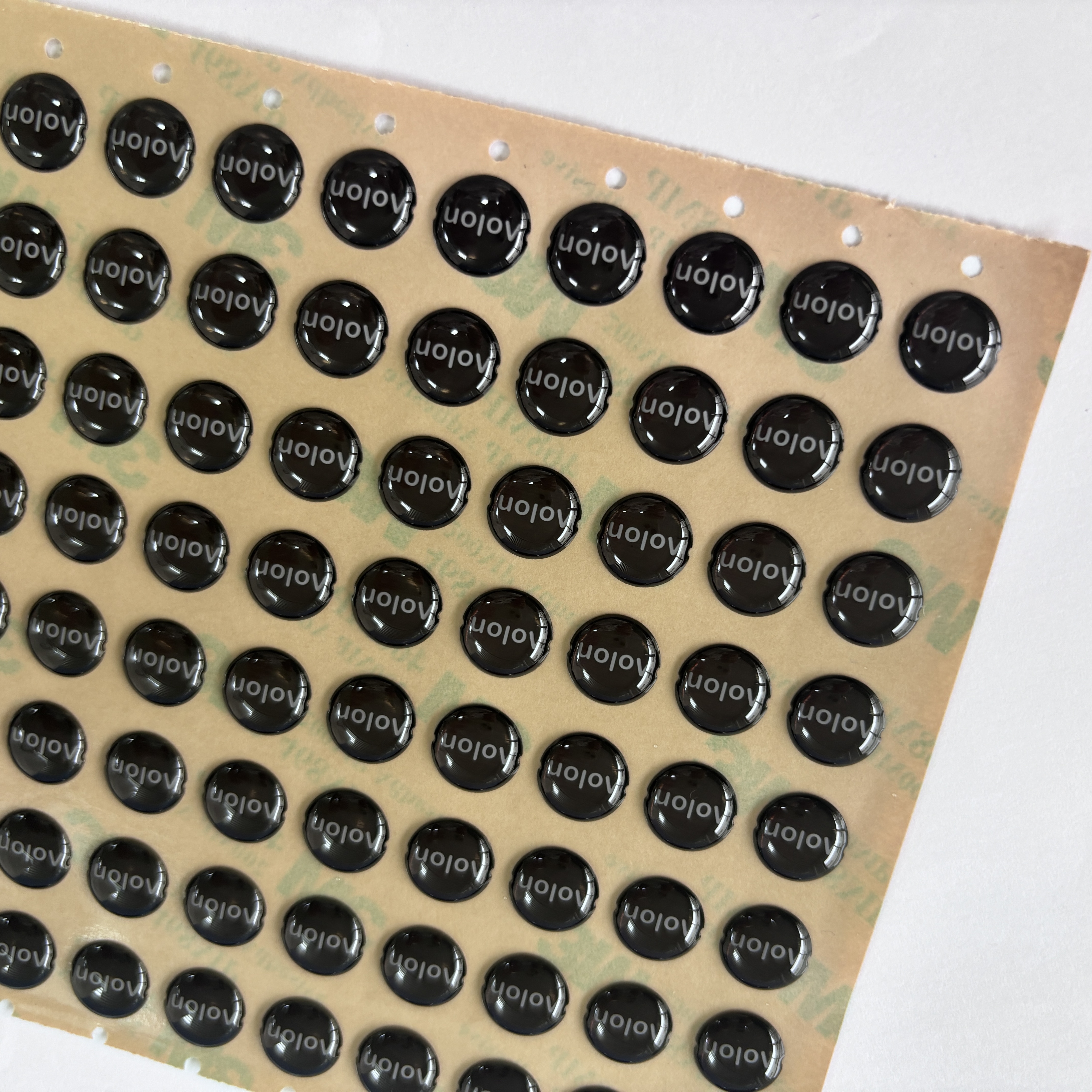
Transparent epoxy resin material is a favorite among creators. It is used to make resin jewelry, desktop ornaments, river tables, keychains, and encapsulated specimen artworks. Its high clarity and customizable colors make it ideal for personalized creative production.
4.3 Advanced Technology & Medical Fields
High-precision synthetic resin materials are essential for 3D printing, circuit board insulation layers, and medical device accessories. Medical-grade resin features non-toxic and sterile properties, meeting strict safety standards for medical applications.
5. Common Misconception: Is Resin Material the Same as Plastic?
Many people confuse resin and plastic, but they are essentially different. Resin is the raw material, while plastic is the finished product. Resin is the basic polymer material used for processing, while plastic is a composite product made by adding fillers, stabilizers, and colorants to resin and then molding it under heating and pressure.
In short, all plastics contain resin material, but resin itself is not plastic. Pure cured resin has higher purity and better stability than ordinary plastic products.
6. Final Summary
To recap, resin material is a versatile natural or synthetic organic polymer material defined by its unique liquid-to-solid curing transformation. Divided into natural and synthetic types, it features strong adhesion, high stability, and adjustable physical properties. As a foundational industrial and creative material, it supports countless industries from construction and manufacturing to art and high-tech fields.
With the continuous development of material technology, synthetic resin materials are constantly being optimized for environmental protection, high temperature resistance, and low toxicity, and will continue to be an indispensable core material for future technological and creative innovation.
how to make engraved name plates
what is laser engraving
Related Article

Laser cutting is one of the most precise manufacturing methods available today — used everywhere from metal nameplates and signage to automotive parts and jewelry. But how does a laser cutter work?
how does a laser cutter work

